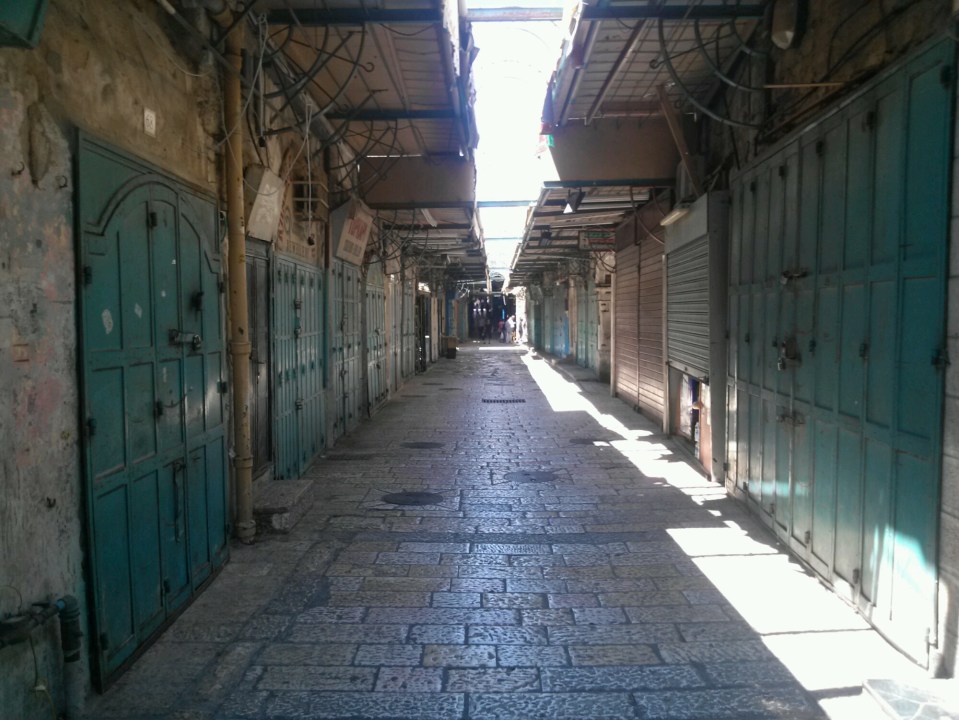
This is what the busiest street in the Old City looked like today in the midafternoon. Shopkeepers have shut down in solidarity with the people of Gaza. Normally this street is so utterly packed that movement from one end to the other is like walking against the crowd in a New York subway station, with the added complication that every ten paces a merchant is ready to sell his wares. These guys (all men) could squeeze oil from the most shriveled olive, so good are they at the fine arts of persuasion. That well-pressed oil keeps many a family fed in beliguered East Jerusalem.
The streets’ silence and emptiness felt dark. All the bitter ghosts of Jerusalem’s bloody history could seep out into the quiet and join their new companions. I don’t normally get frightened on daylight streets, but I quickened my pace in this grim quiet. The few shopkeepers sitting in small groups at corners had the unseeing, unmoving gazes of the shocked and weary. The carnage in Gaza is felt as a very close, deep wound indeed. All the Arabic papers run front page pictures of families in the rubble. One Palestinian I met studies the papers to look for his cousins.
As many have pointed out, this war has an outrageous asymmetry of who is shedding blood. The world’s most advanced war machinery is ploughing through one of the poorest, most caged-in places on the planet, a place where guerilla gunners intermingle themselves by design and by circumstance with civilians. Here in Jerusalem, the war is echoed by another asymmetry, heavier military pressure in Palestinian neighborhoods. I see Palestinians pulled off the sidewalk all the time for ID checks. Among civilians, anti-Palestinian sentiment is in plain view. I had a man stop me on the street and fill me in on the evils of these “immigrant thieves”.
On the west side of town, across the 1967 Green line, the malls and restaurants are a-buzz with local shoppers and a few tourists. It feels like Paris: sidewalk restaurants, strolling couples, high-end jewelers next to trendy clothes stores. But the surface jollity belies a deeper unease. Unlike US wars which have lately been fought without the draft and therefore keep many social classes disproportionately out of harm’s way, here everyone has to serve, with an exclusion for most Arab Israeli citizens and some ultra-orthodox Jews. Today, the Hebrew newspapers had front page pictures of yesterday’s fallen Israeli soldiers. In a country born out of European genocide and surrounded by hostile nations, the feeling of threat is deeply personal and rallying around the flag takes on a degree of fervor that rivals even the nationalistic vigor of the US. Unlike the US, the shadows of past and possible future annihilation are very real here.
One of war’s many tragedies is that it pushes both sides into the pit of pain. From what I see and hear — and my view is, I admit, biased by the particularities of my travels and my own preconceptions — this pain is feeding extremism on both sides. Paradoxically, the radical violent wings of both sides benefit from the worsening situation. Blood and bombs feed their narrative of the subhuman nature of “the other”. It is hard to see how more terrorism and military thuggery will not emerge from the darkness of Gaza.
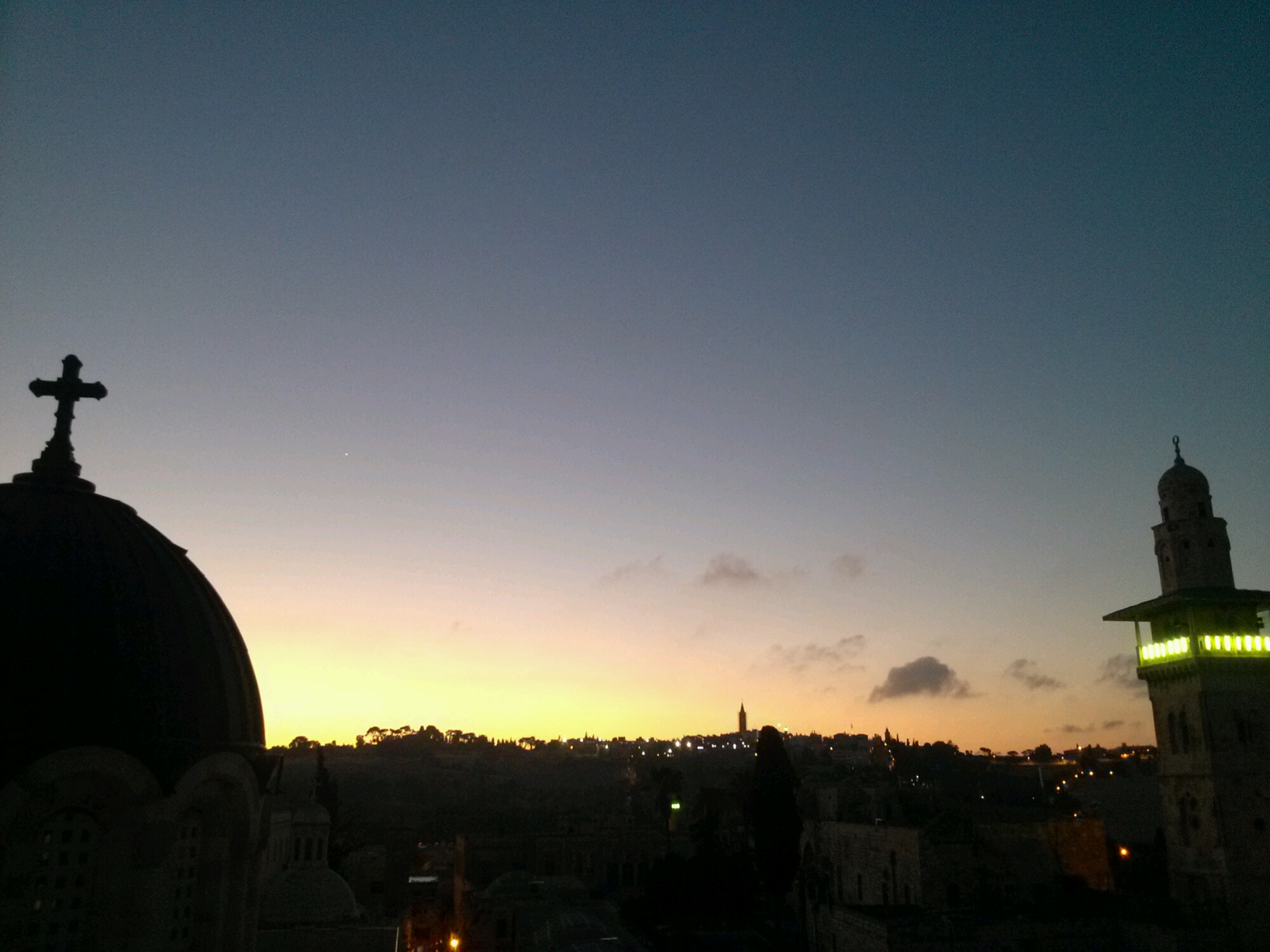
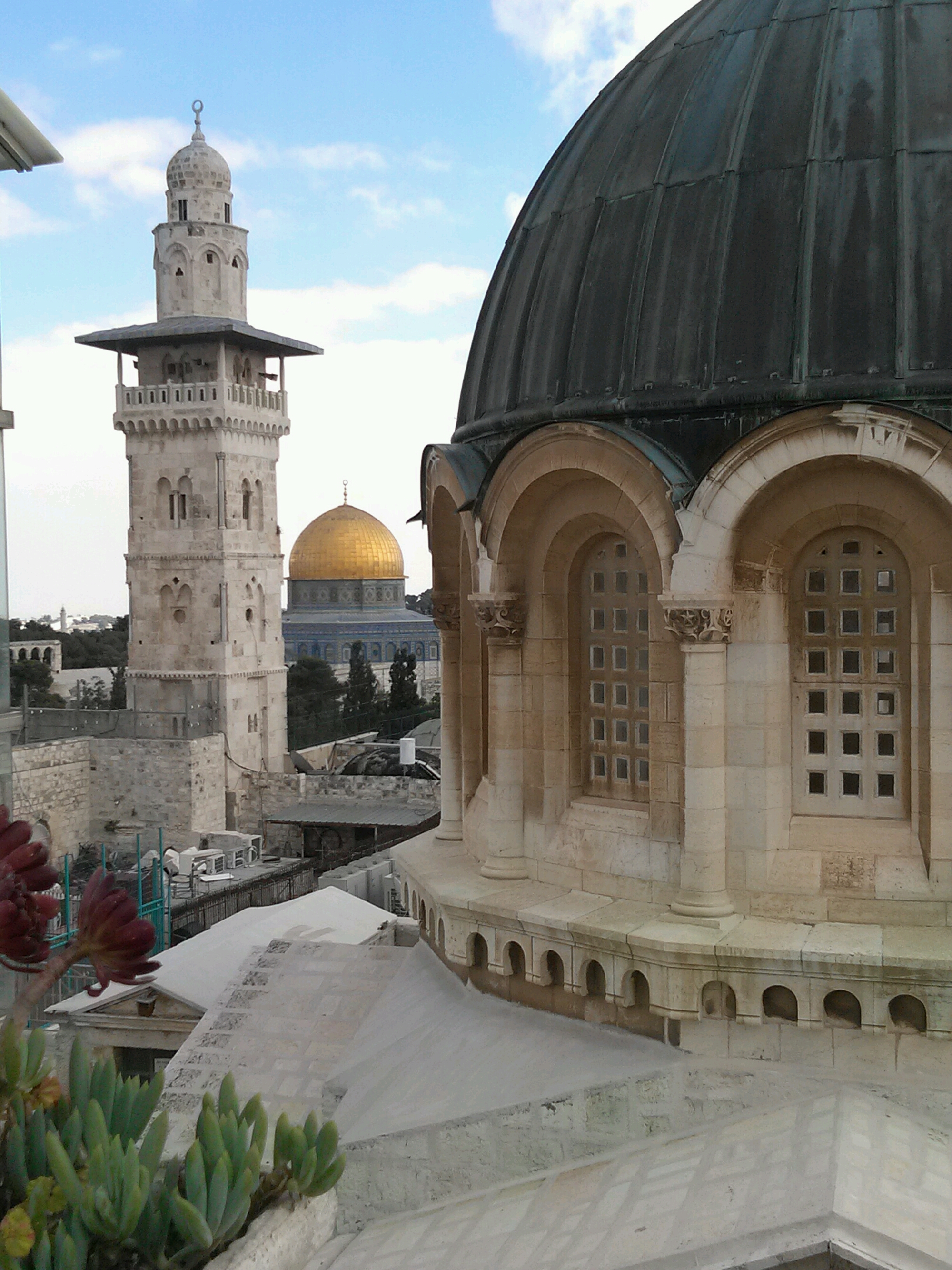
The old “Holy City” is indeed shut for business today.










 David George Haskell