













Share this:
- Email a link to a friend (Opens in new window) Email
- Share on Facebook (Opens in new window) Facebook
- Share on Bluesky (Opens in new window) Bluesky
- Share on Reddit (Opens in new window) Reddit
- Share on Pinterest (Opens in new window) Pinterest
- Share on Threads (Opens in new window) Threads
- Share on WhatsApp (Opens in new window) WhatsApp
- Share on X (Opens in new window) X
- Share on LinkedIn (Opens in new window) LinkedIn
 David George Haskell
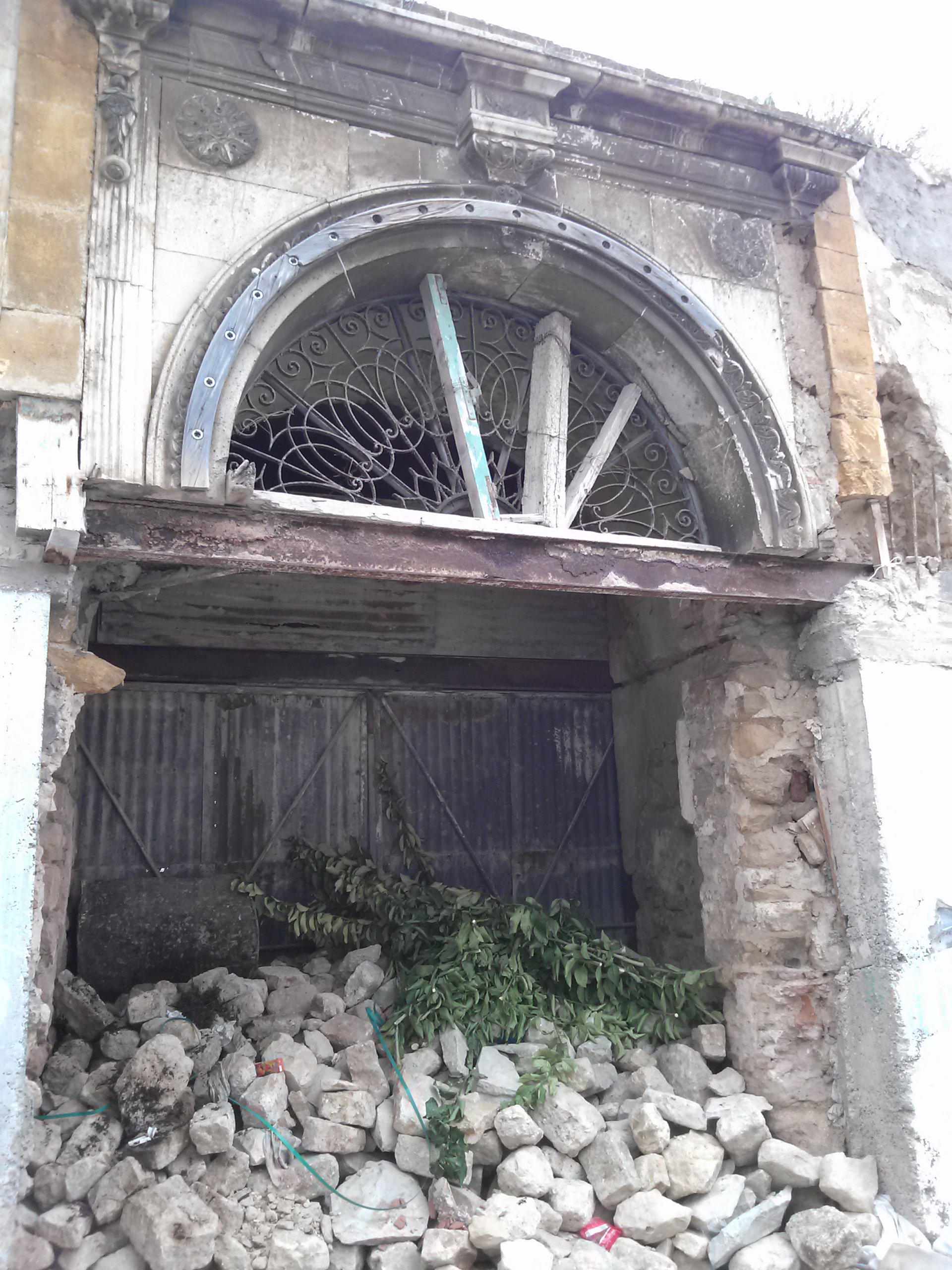
Splendid stuff. I hope somebody invited you in!
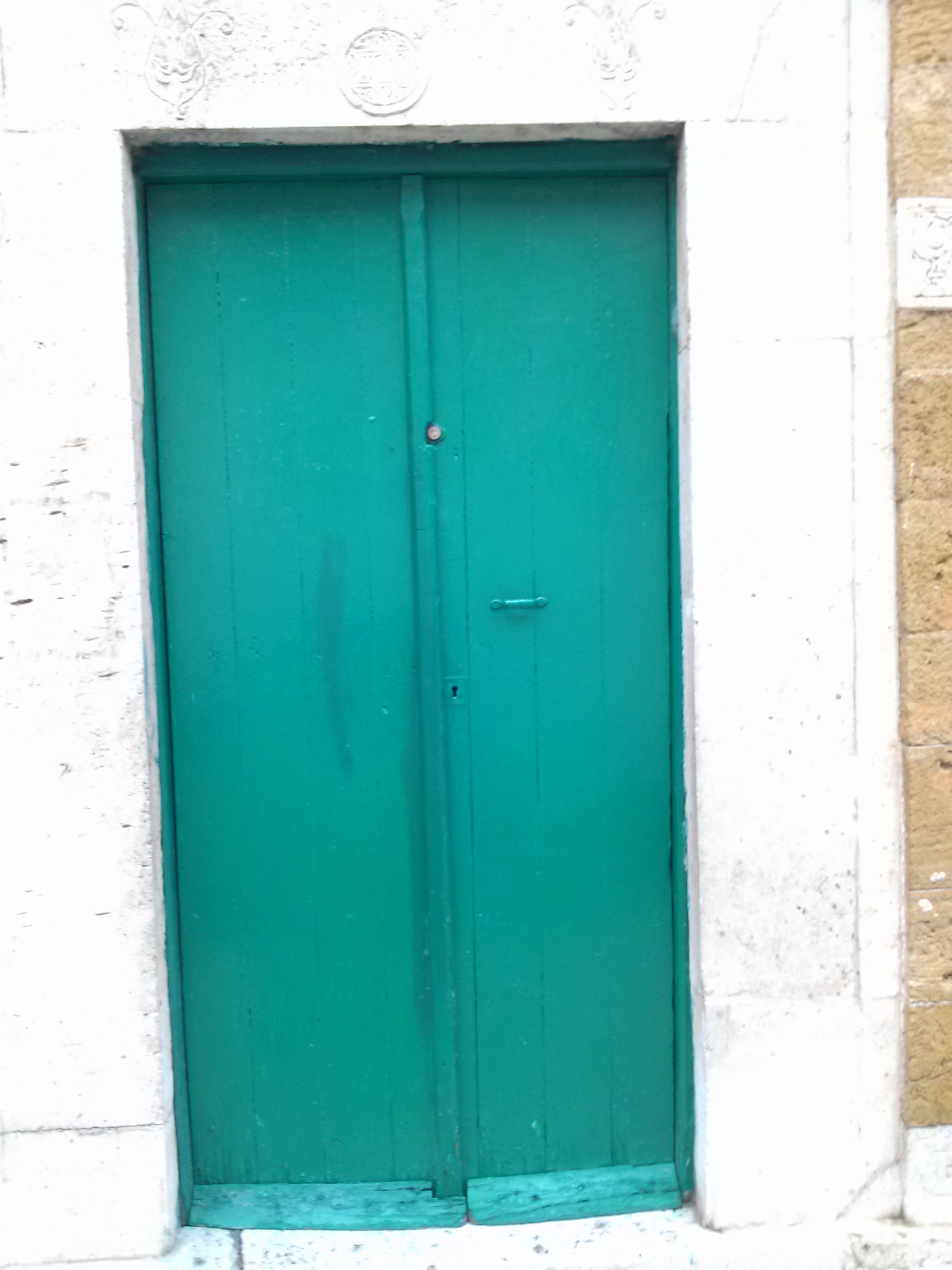
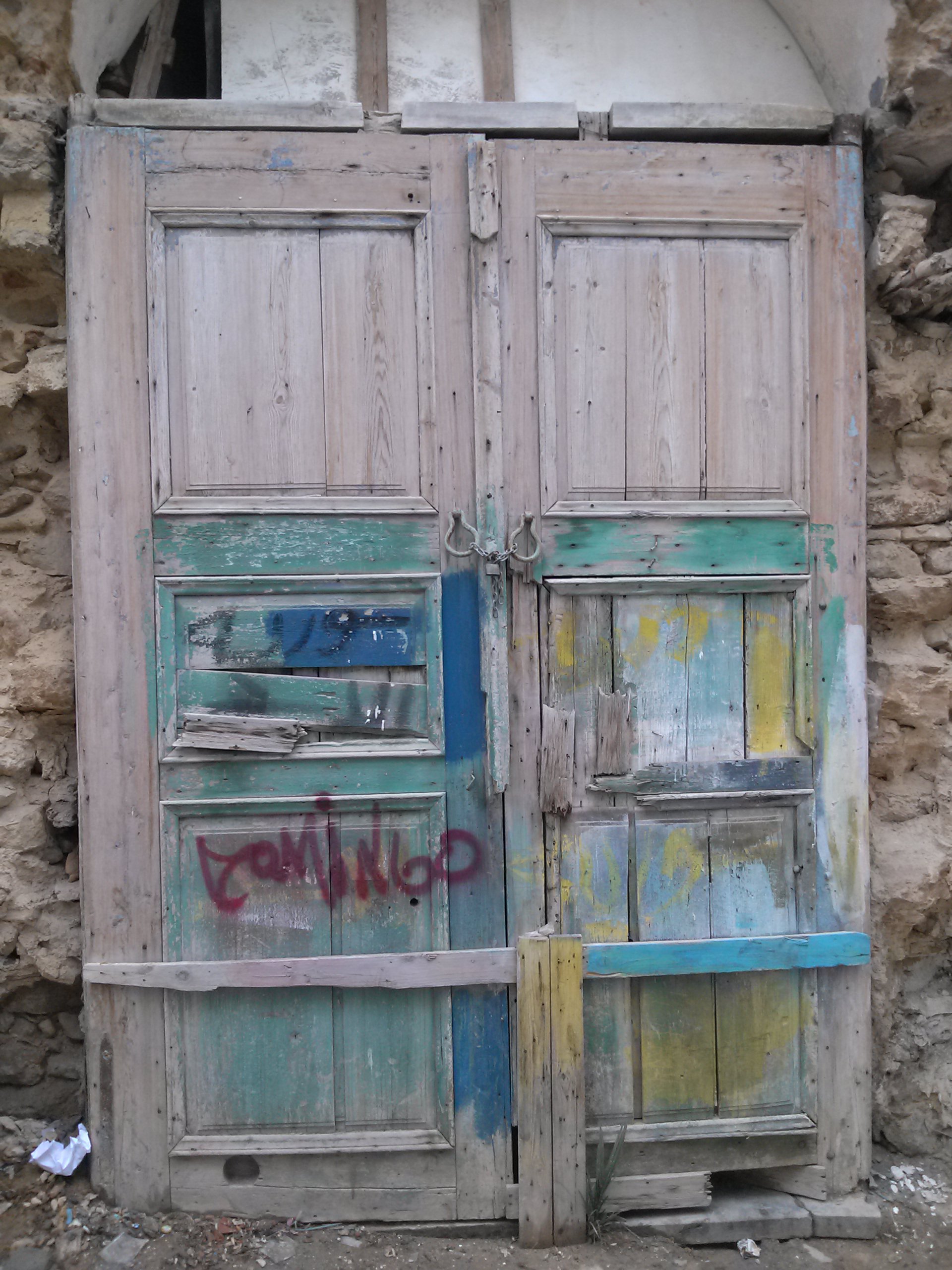
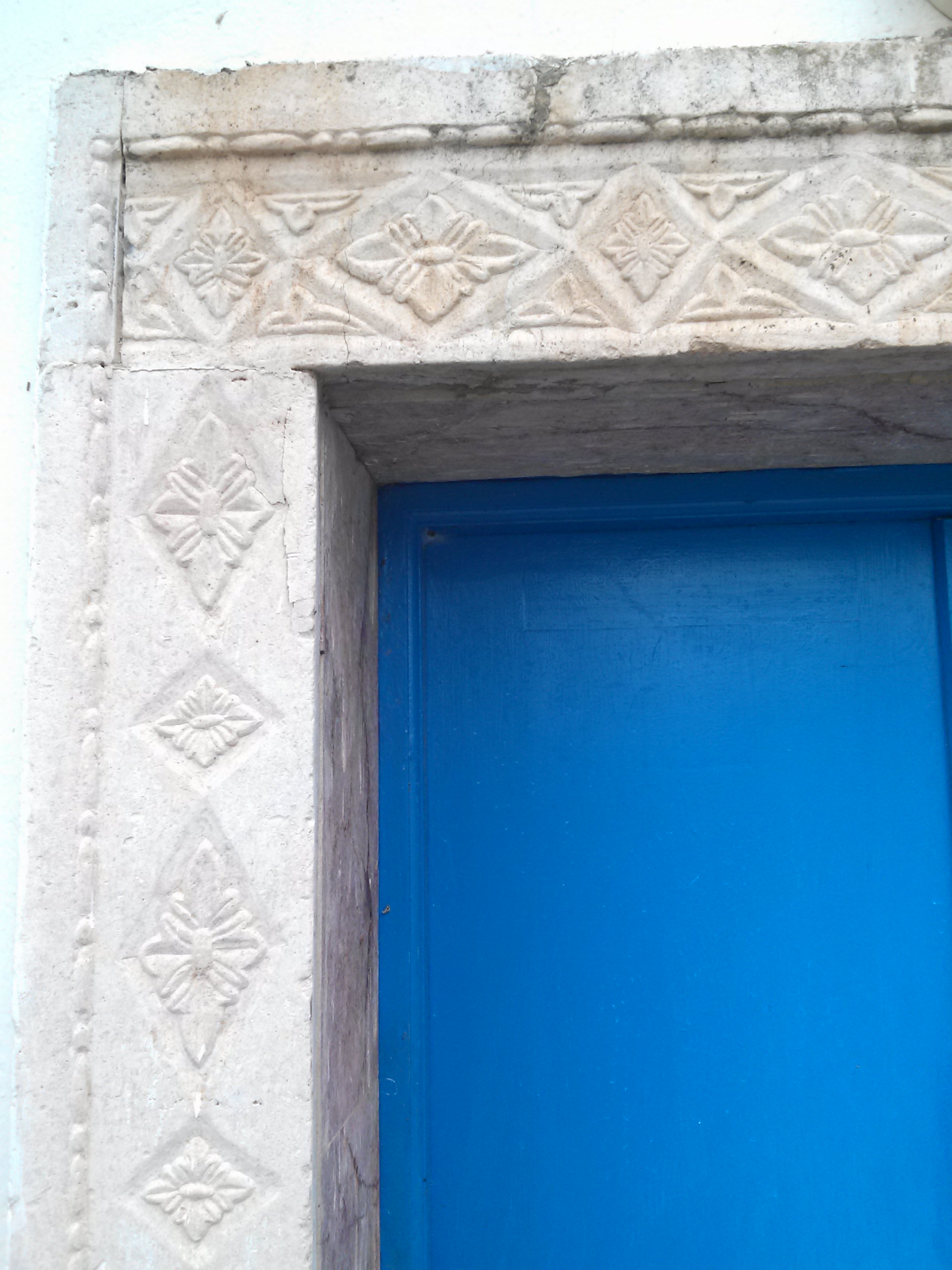
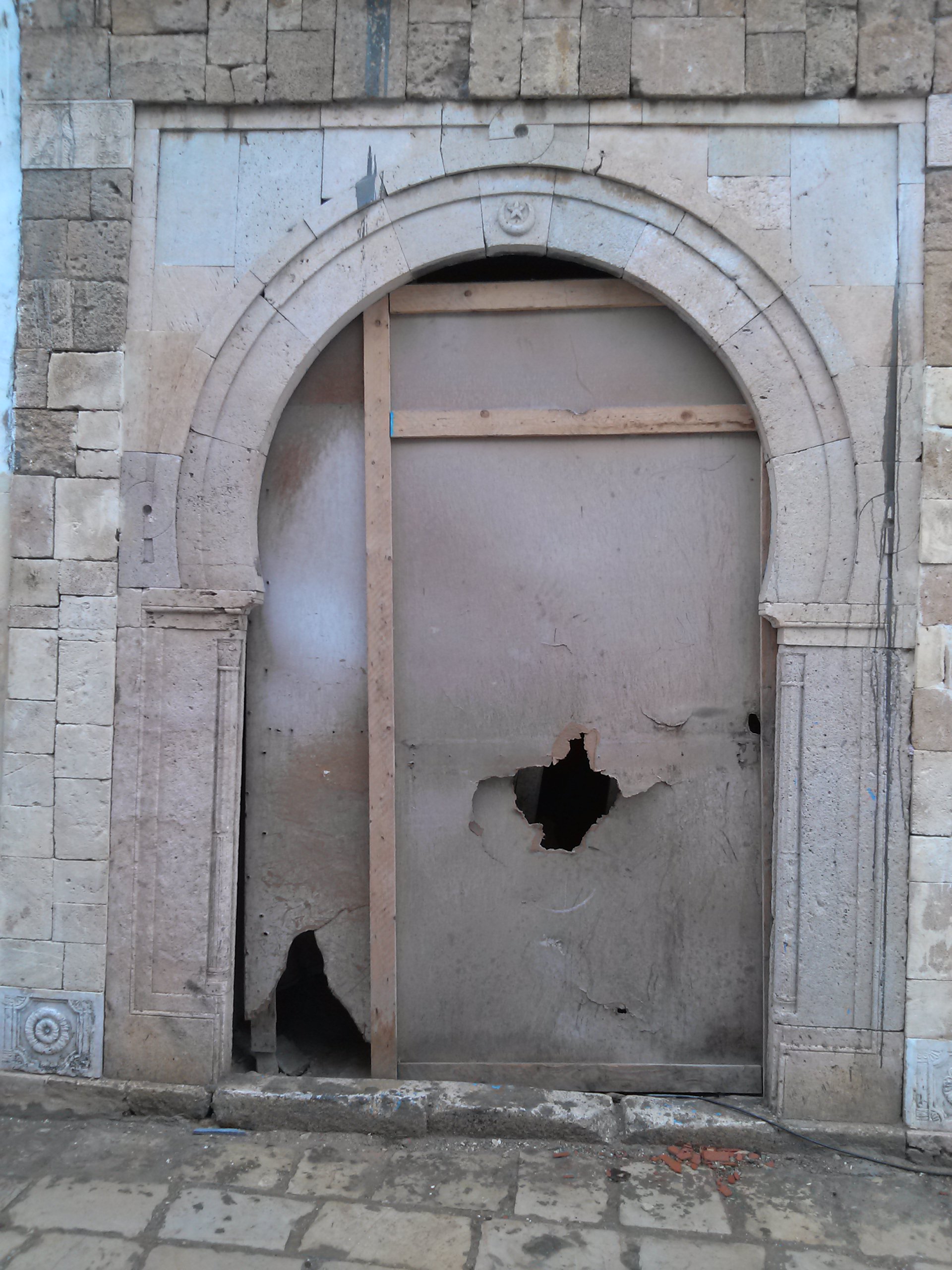
Just beautiful, even the ones in ruin. Thanks for sharing these.
Doing anything else on your trip? ;-)
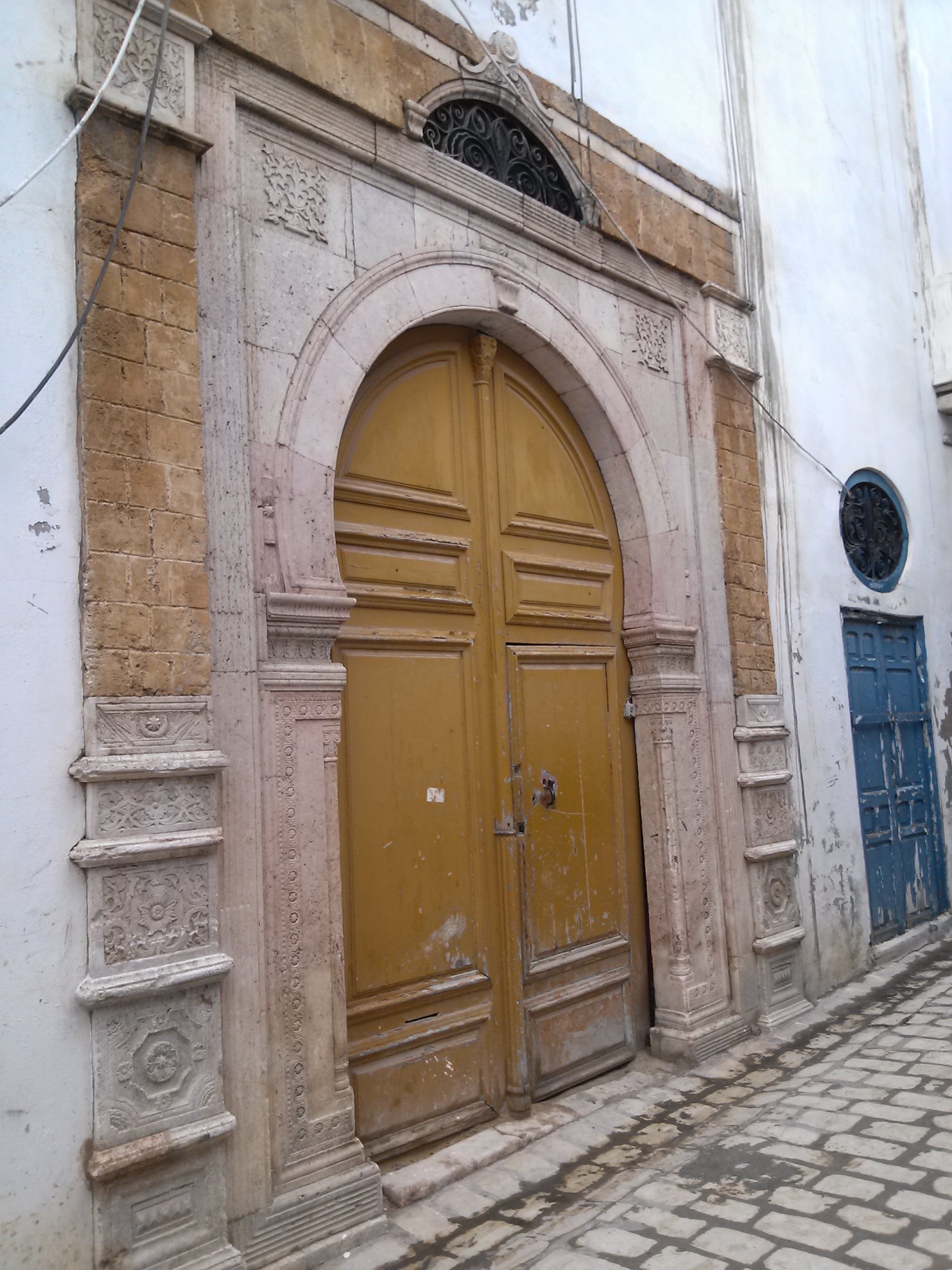
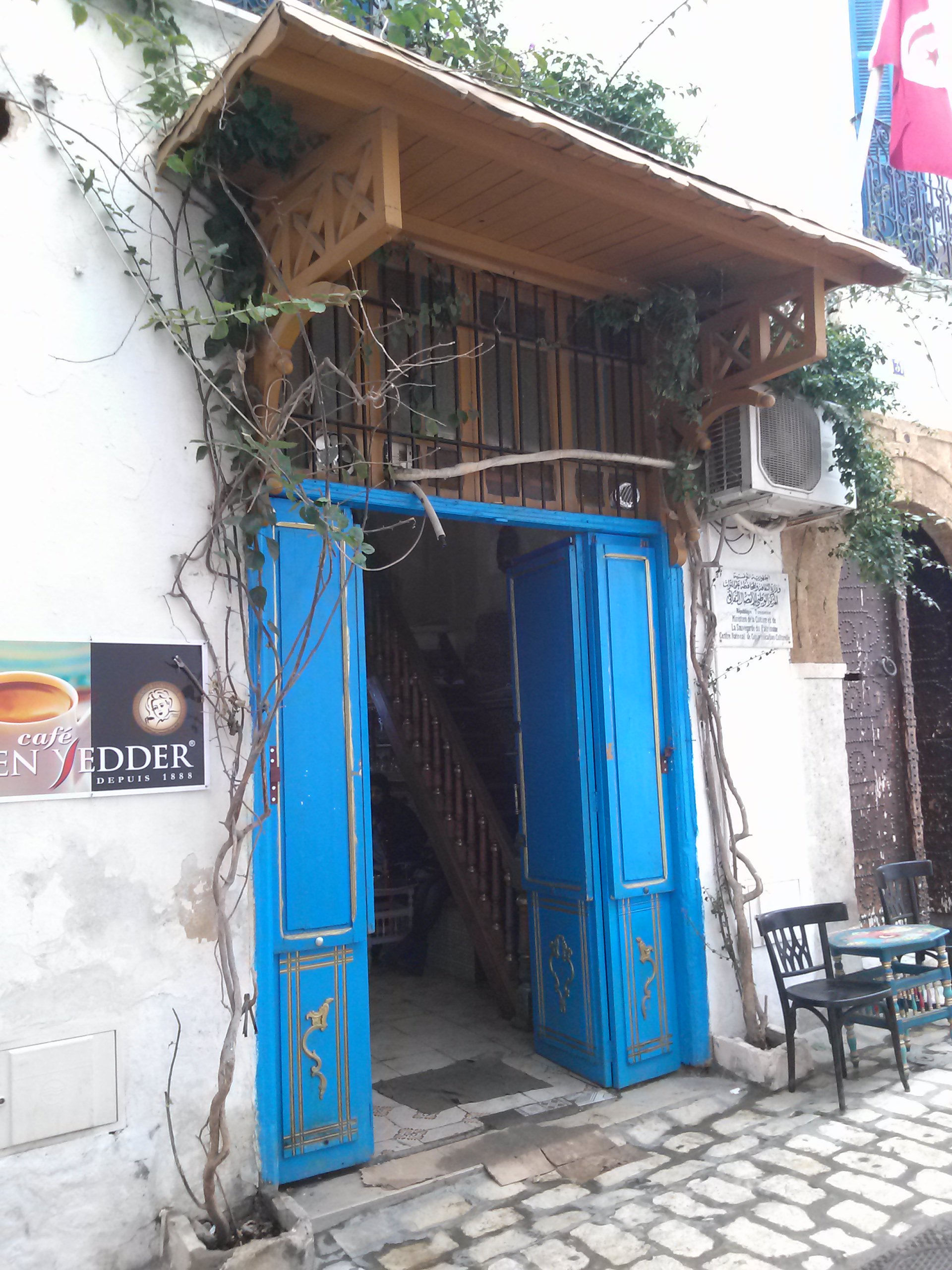
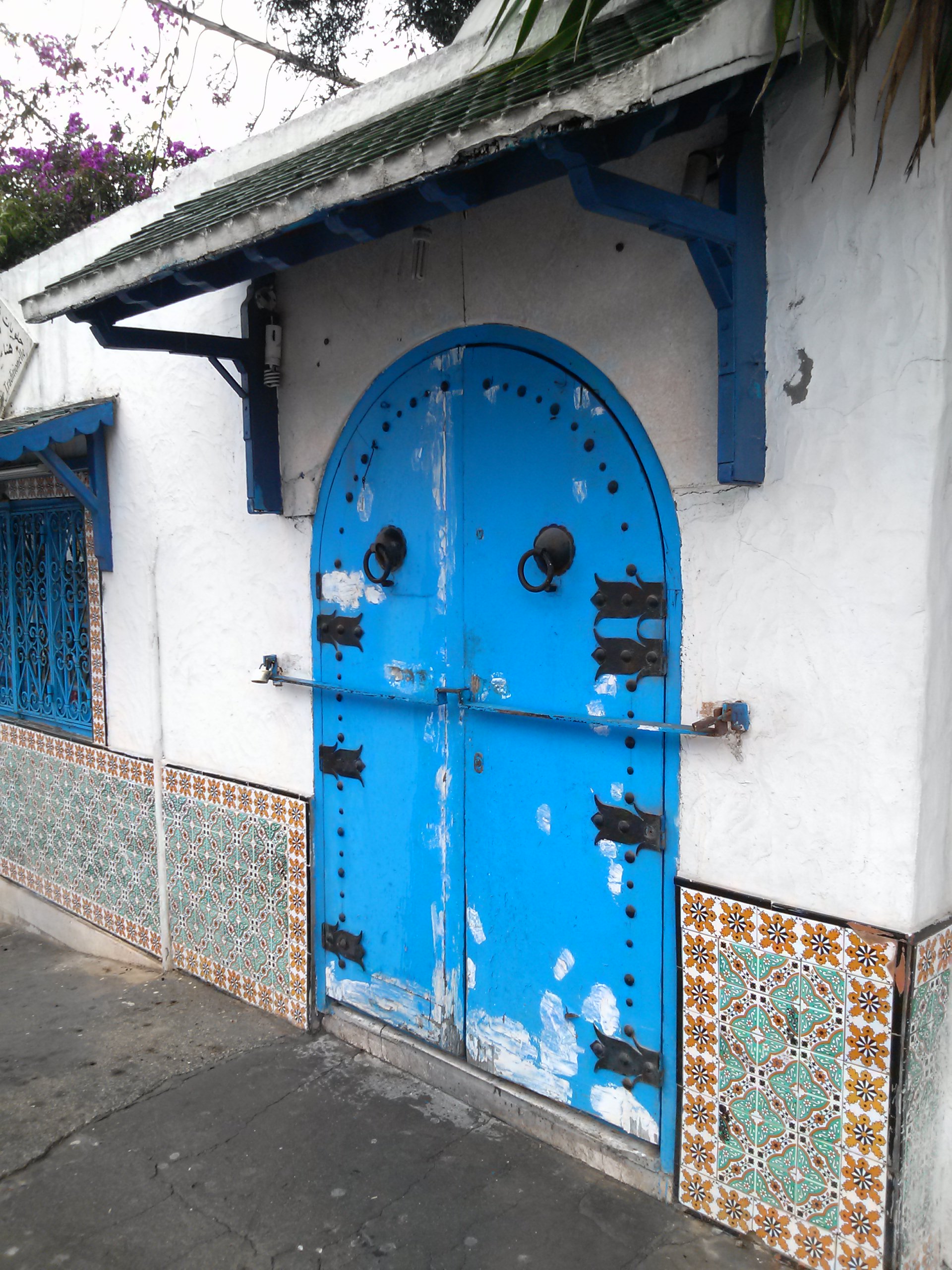
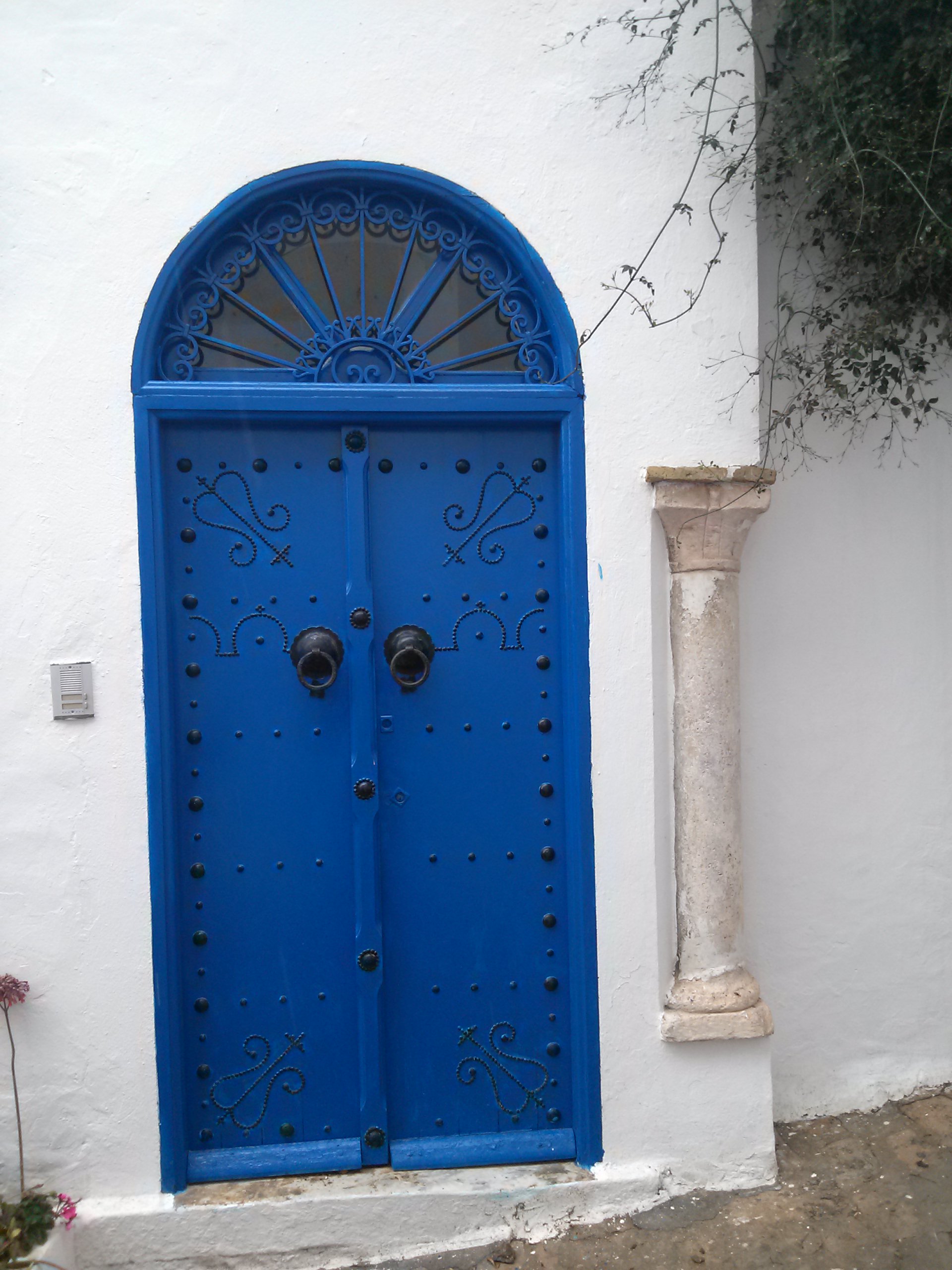
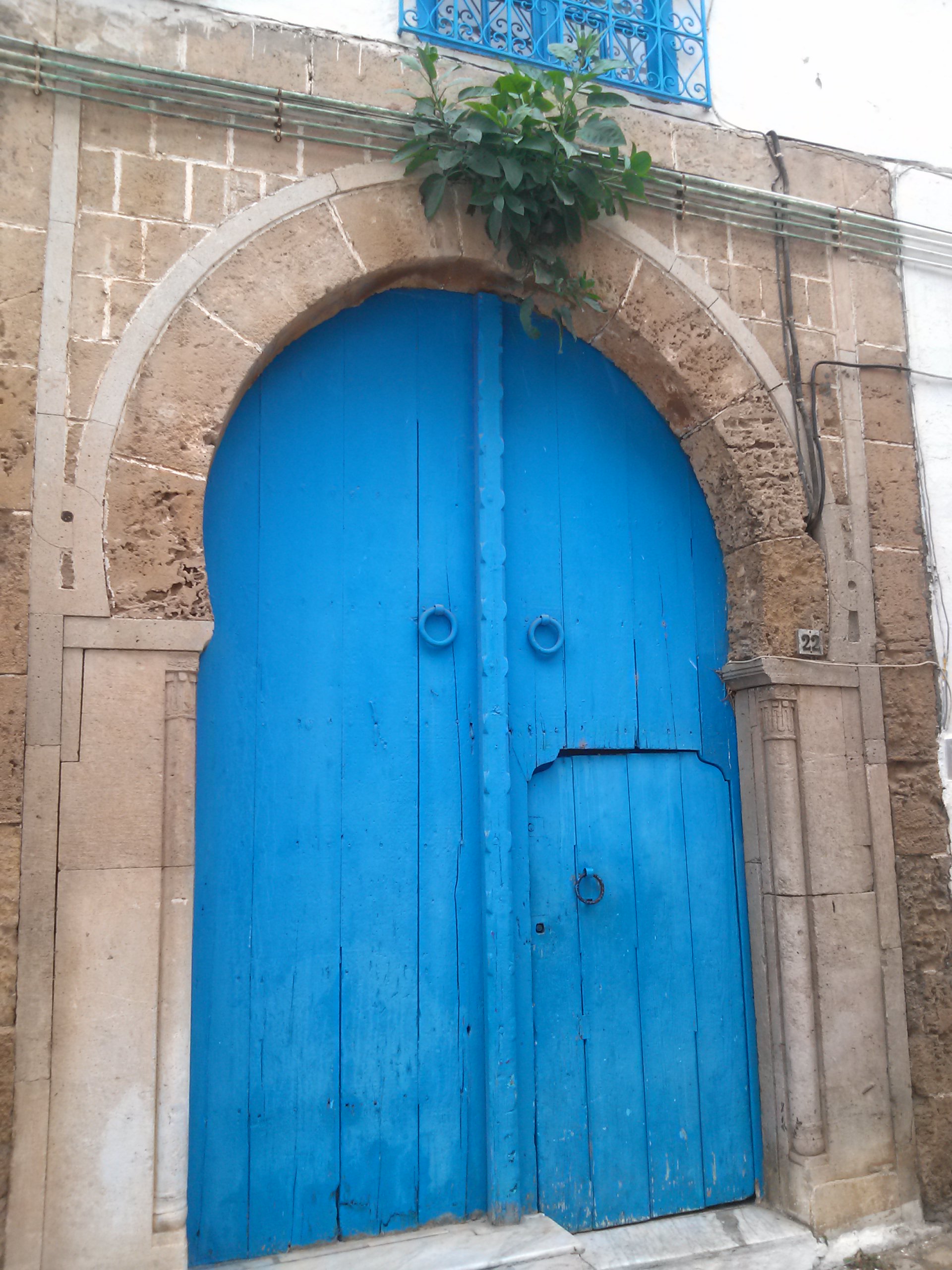
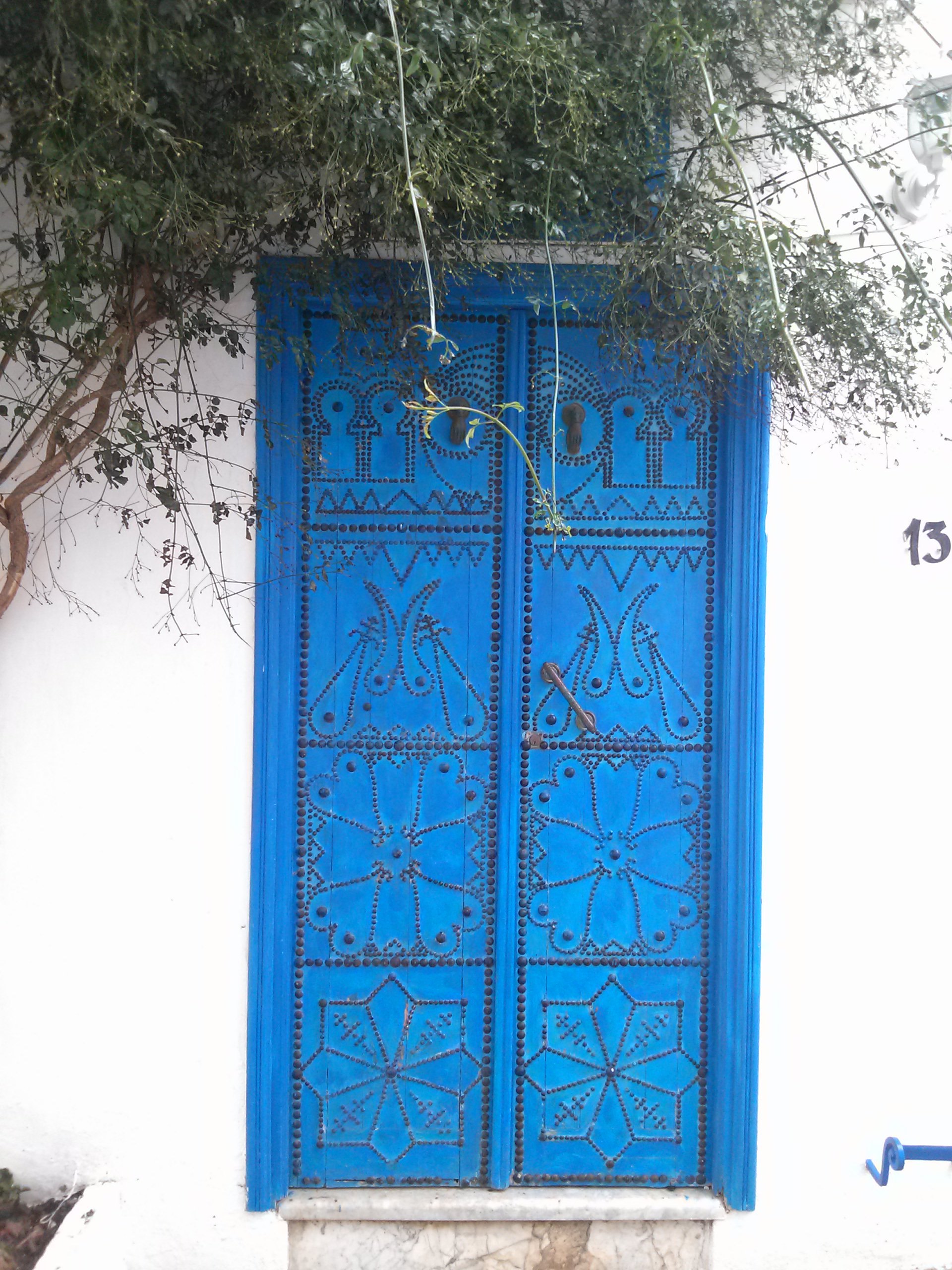
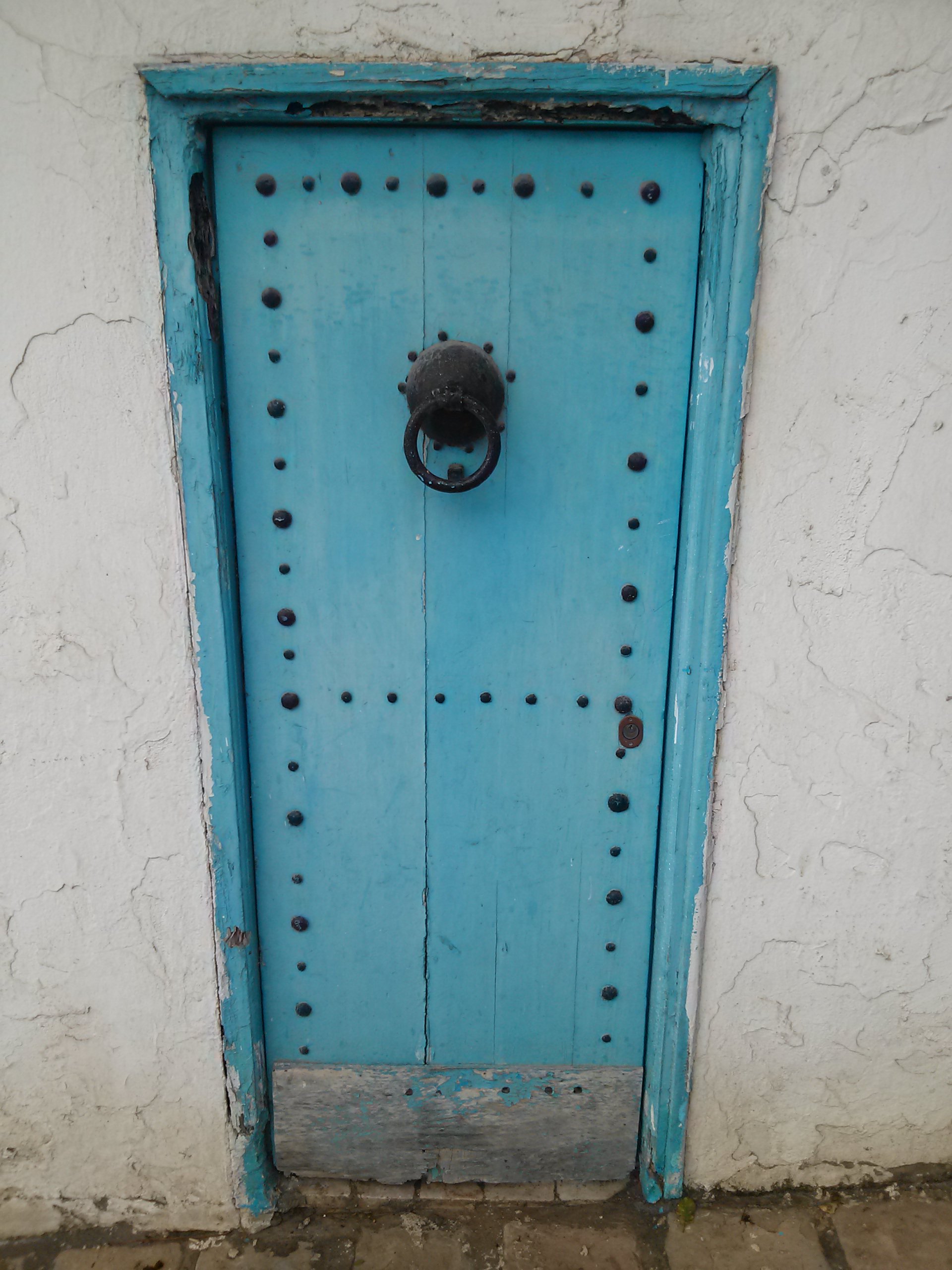
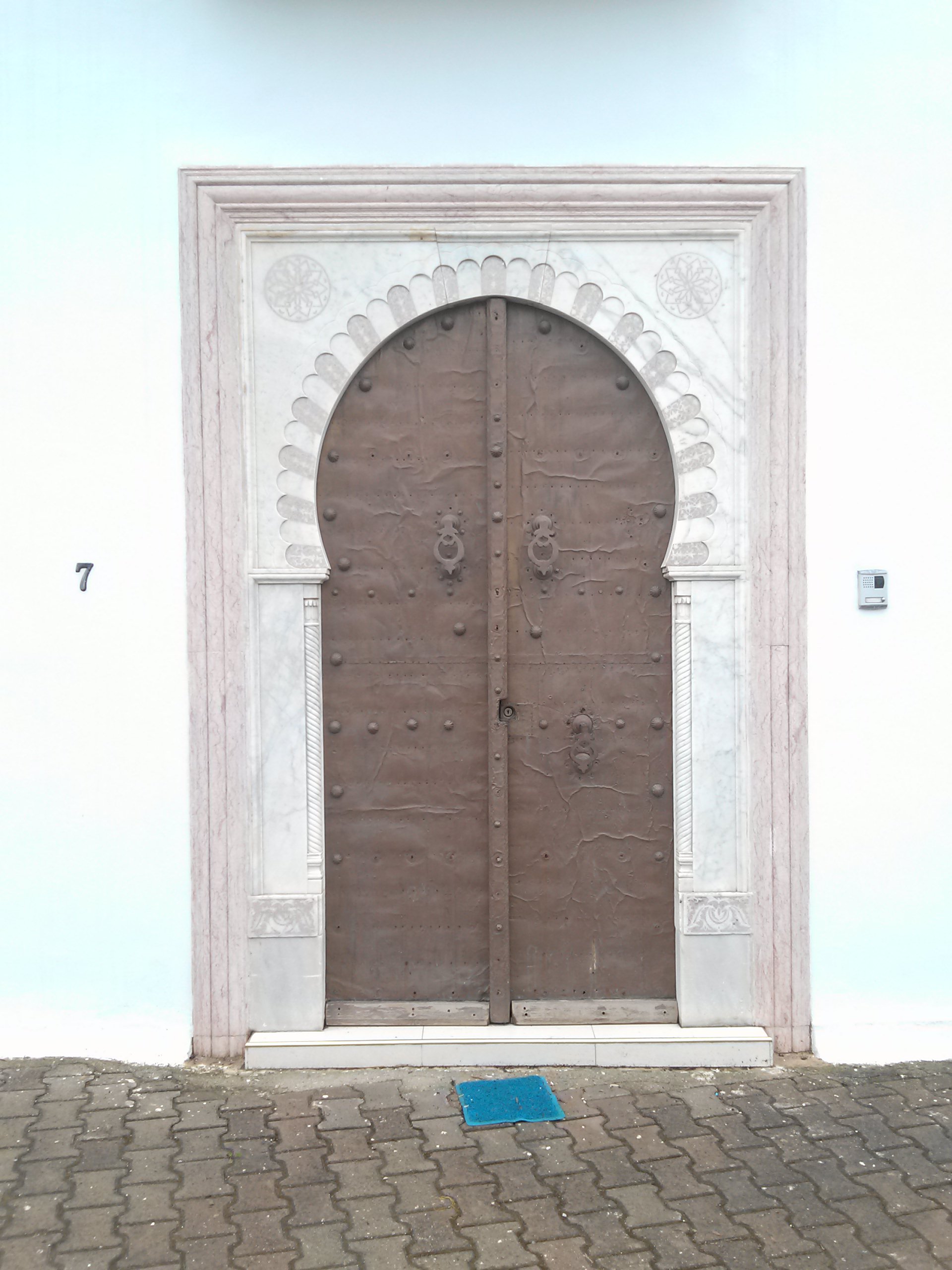
What a lovely view of another culture. What is the significance of blue? So many of the doors are blue.
I suspect that the blue is influenced by: (1) Andalusian ceramics which used cobalt blue. These spread to Tunis and Cap Bon from Spain. (2) Desire to mirror the sea which is striking in its blue. (3) French colonials who strongly promoted the white/blue color scheme, especially in areas favored by colonists seeking scenic “local” color.
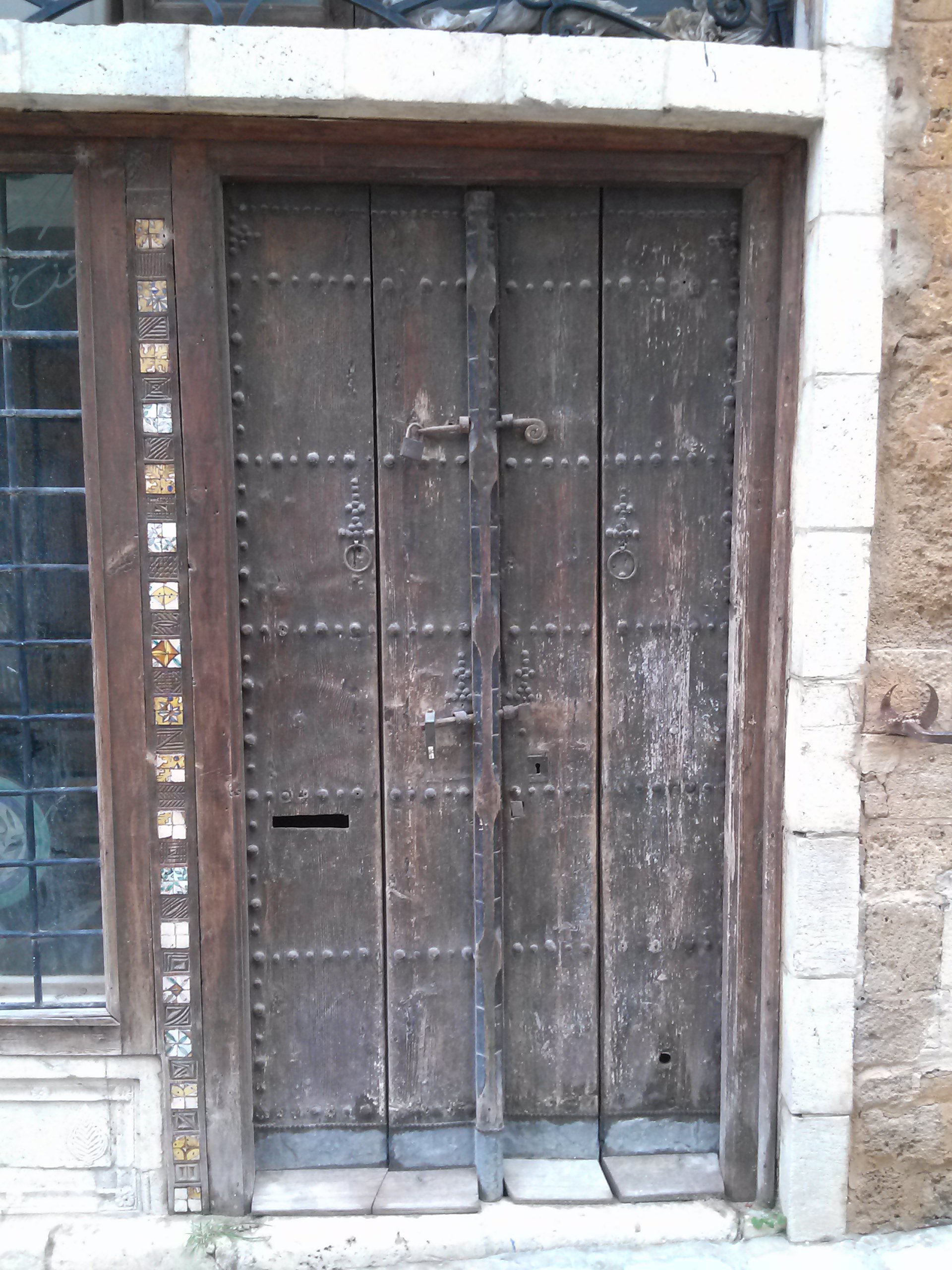
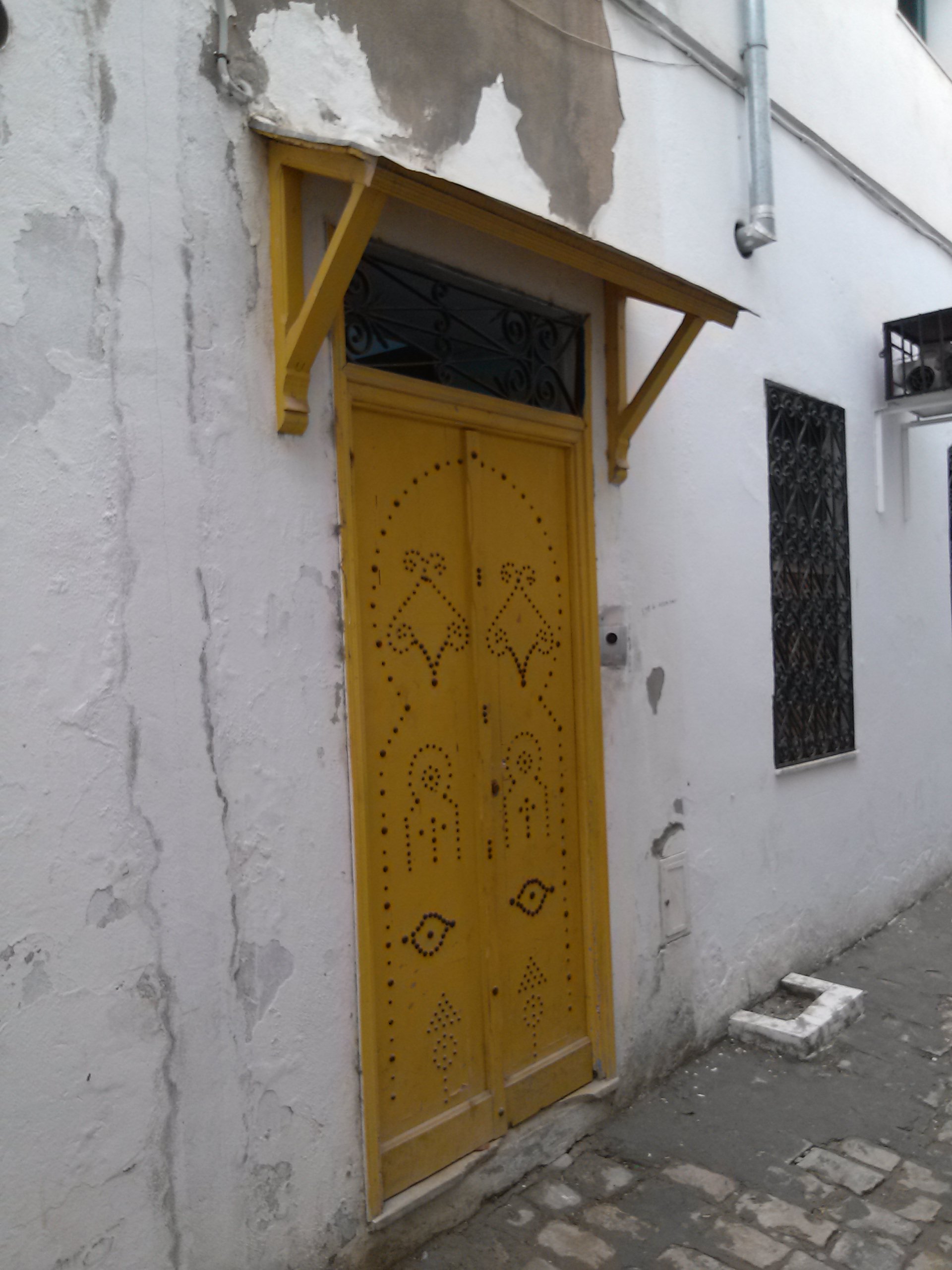
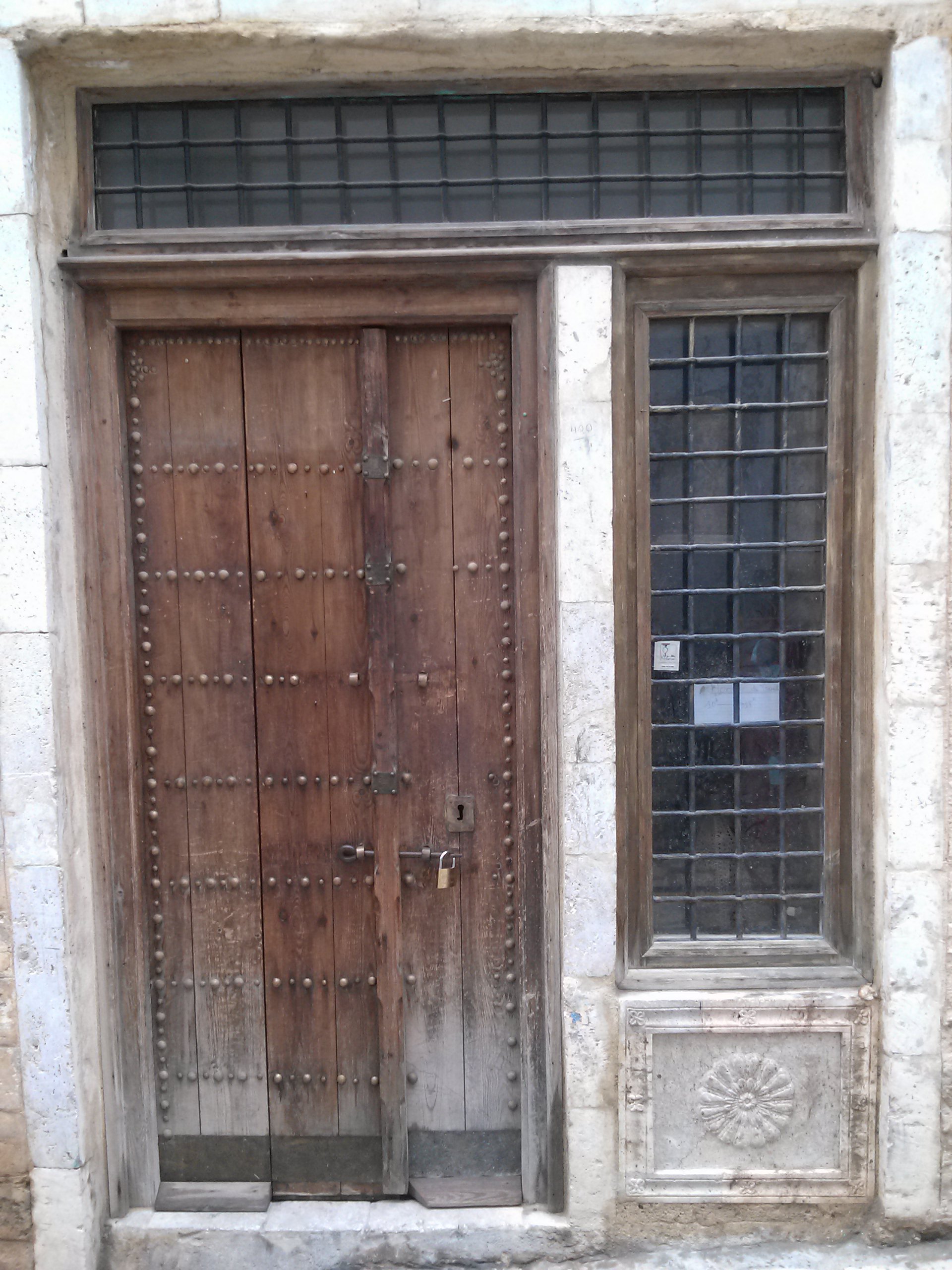
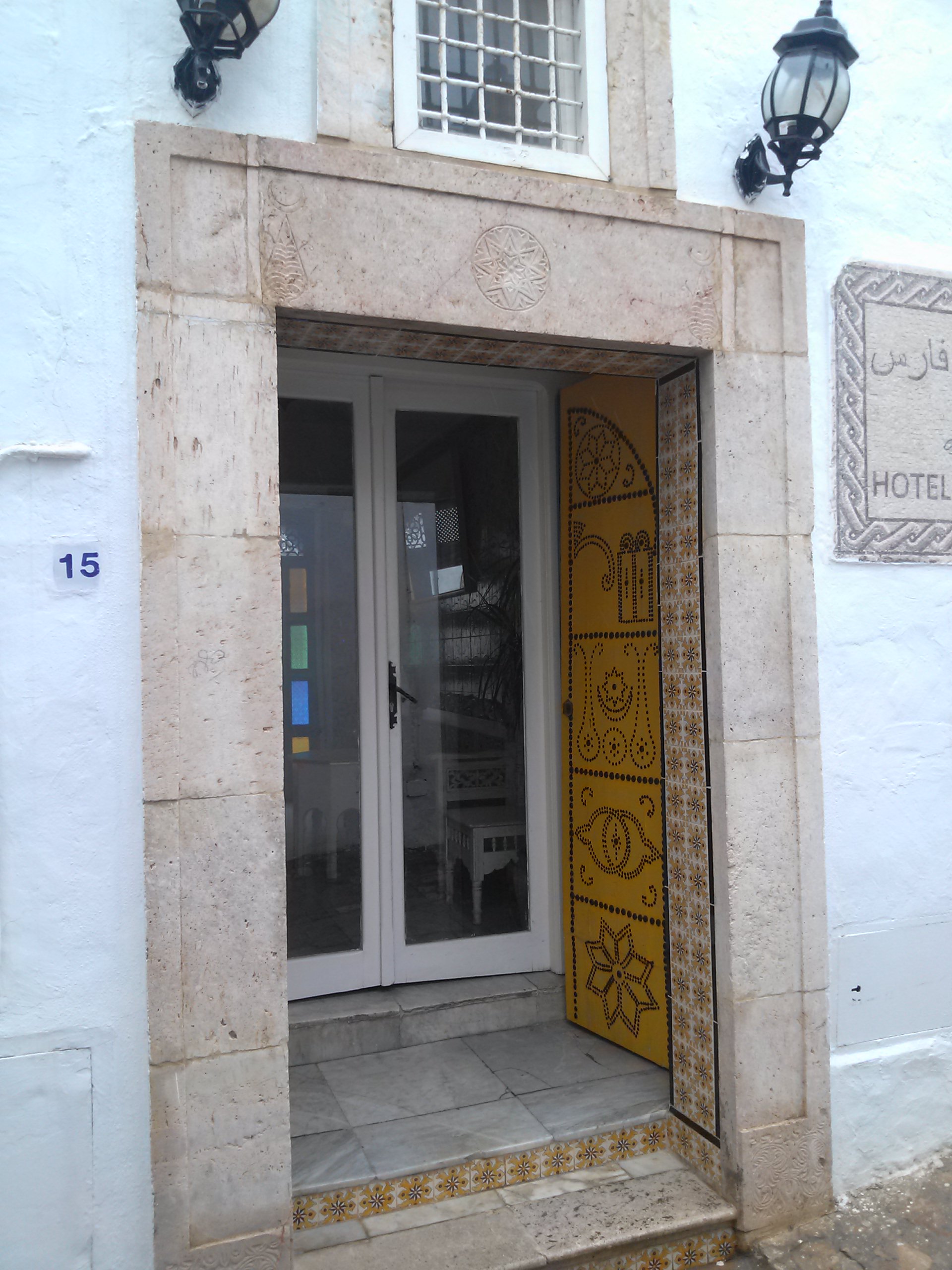
How do they make the designs that many of them have — dots of metal? Very interesting collection of photos!
Yes, nail heads.
Fantastic photos! Thanks! So many are of a certain blue. Is there a significance to that?
I suspect that the blue is influenced by: (1) Andalusian ceramics which used cobalt blue. These spread to Tunis and Cap Bon from Spain. (2) Desire to mirror the sea which is striking in its blue. (3) French colonials who strongly promoted the white/blue color scheme, especially in areas favored by colonists seeking scenic “local” color.
A visual feast! Can you explain the significance of the doors painted blue?
-Karen
I suspect that the blue is influenced by: (1) Andalusian ceramics which used cobalt blue. These spread to Tunis and Cap Bon from Spain. (2) Desire to mirror the sea which is striking in its blue. (3) French colonials who strongly promoted the white/blue color scheme, especially in areas favored by colonists seeking scenic “local” color.
Lovely! Thank you!
I recommend reading “Door” by Lance Larsen (http://www.gettysburgreview.com/store/item-detail.dot?itemcode=GBR-SP2016 (page 89)). Found it in the library