Leaving the frontier town of Coca, our journey took us several hours by motorized canoe and truck, following roads built by the oil companies and rivers built by the prodigious rains. After a day’s travel, we arrived at Tiputini Biodiversity Station, located in what ecologists believe is the richest place on the planet for plants and animals. In one hectare of forest, a team of good taxonomists can find more species of plant than live in all of North America. A walk along a kilometer of forest trail will yield the same for birds. Nine or ten species of primate live here. Invertebrate animal diversity is phenomenal, but mostly unquantified. Humans have lived here for thousands of years, building cultures beautifully adapted to the forest. And now: oil. This area, along with similar places in Peru and other parts of the western Amazon, sits atop some impressive reserves of fossilized sunlight, a commodity valuable to any country, but especially to places that are not wealthy and are striving to keep their economies and governments thriving. So human culture, the forest, and all the connections within and among these are in rapid transition.
A few images from my visit:
Flaring gas from an oil production plant on the banks of the Napo River:
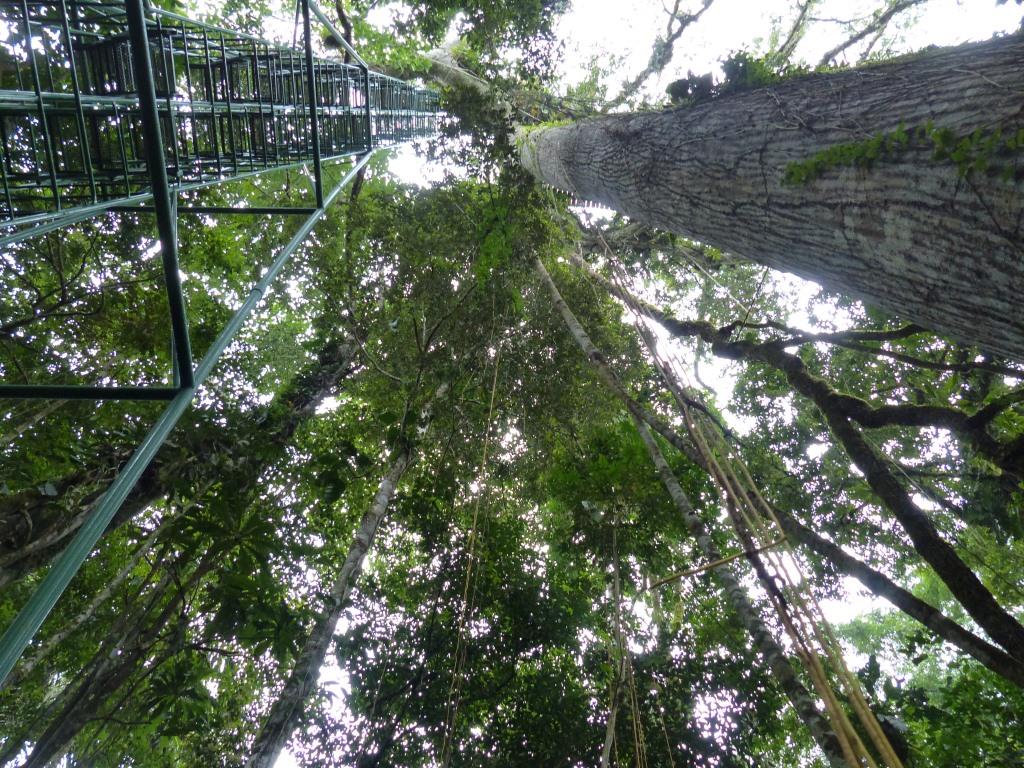
Climb the tower to the rainforest canopy, forty five meters up:
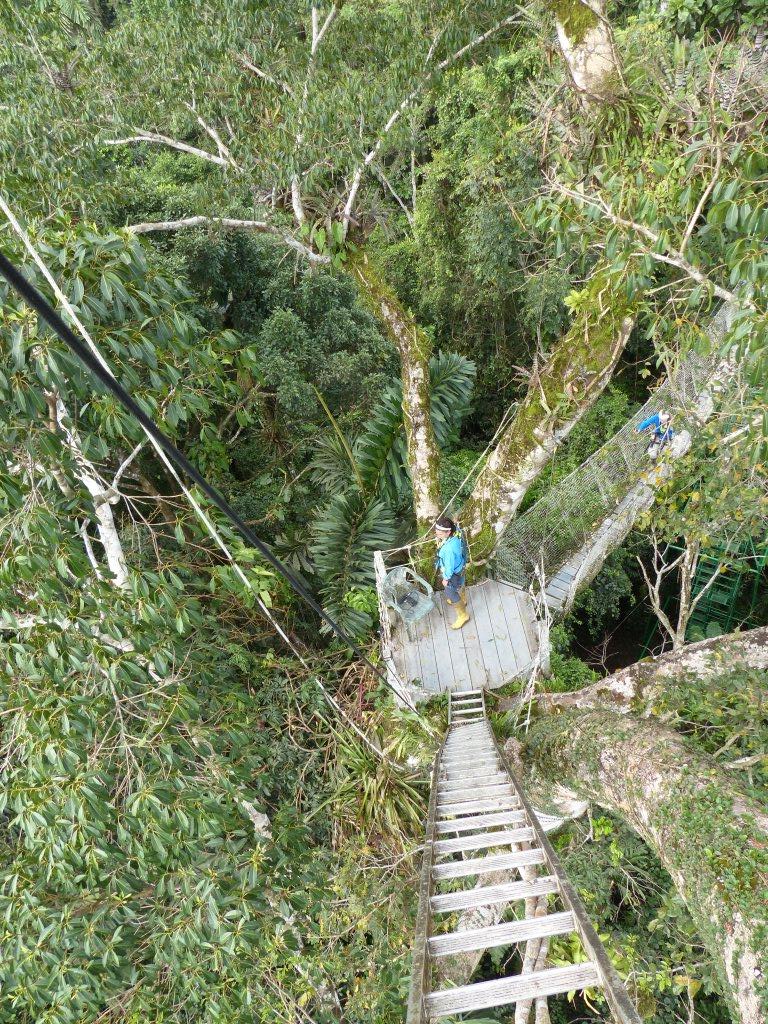
 Looking down from high in the canopy:
Rainforest vista refracted through a water drop: 
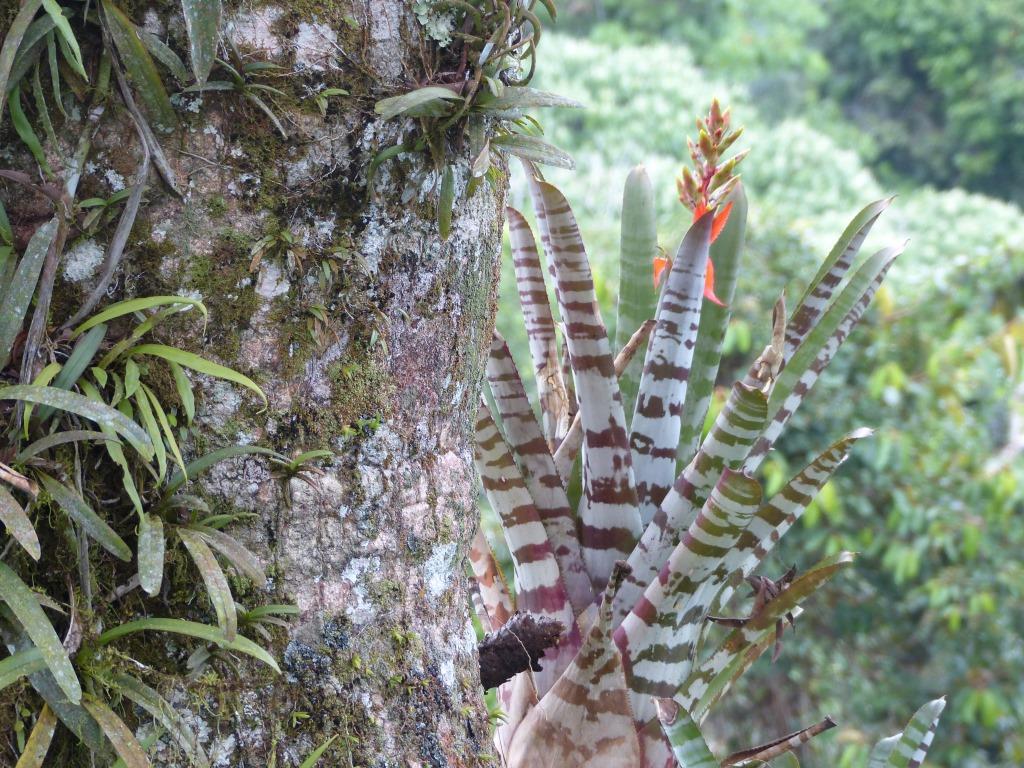
Zebra bromeliad in canopy:
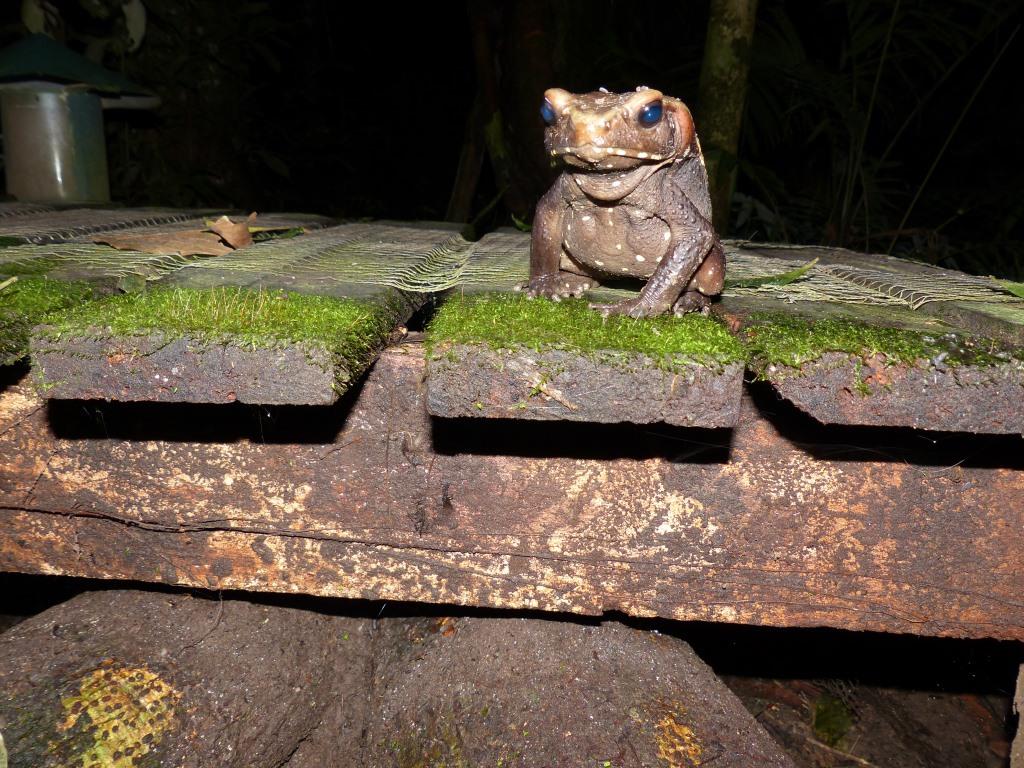
Toads the size of dinner plates:
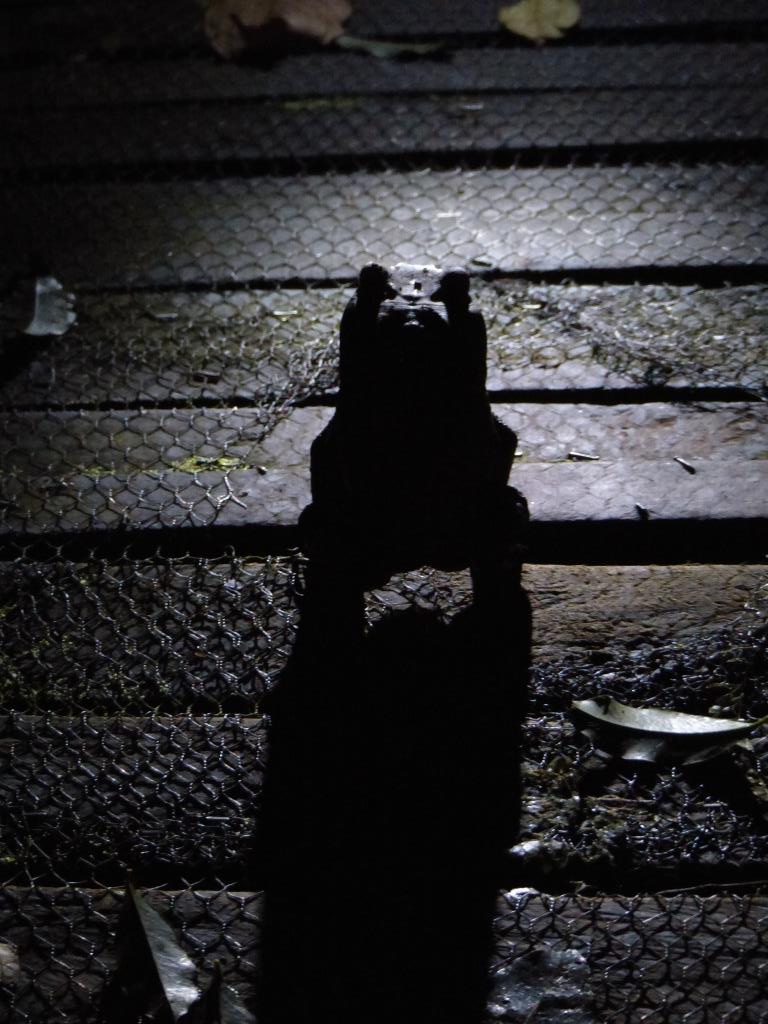
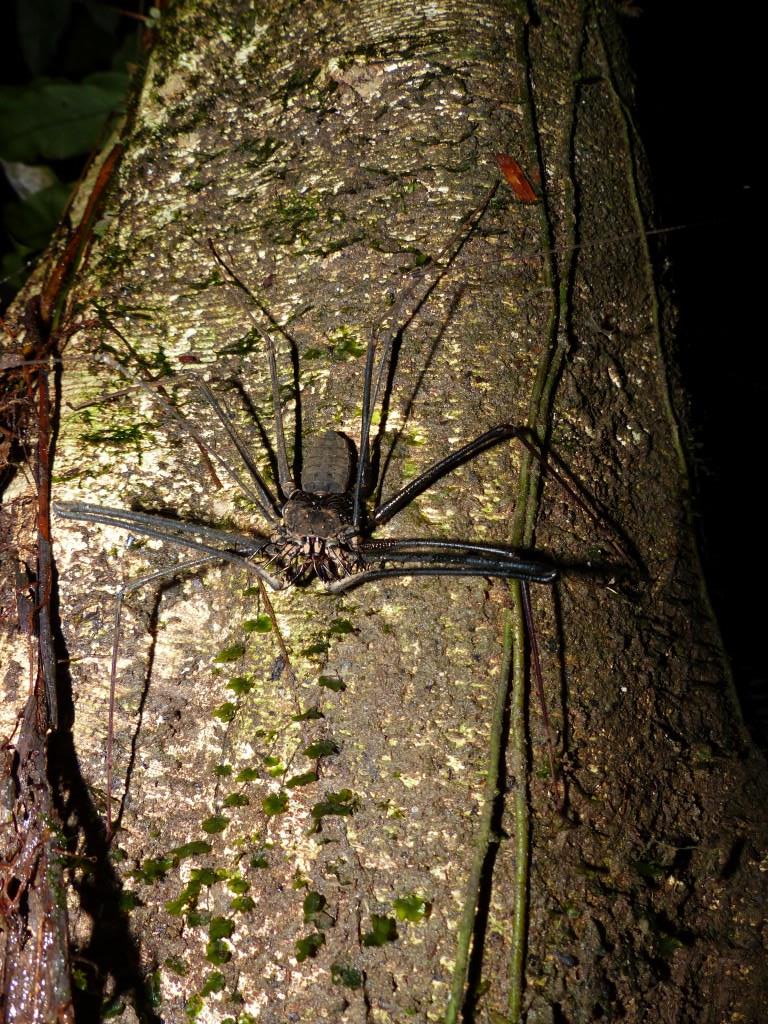
“Scorpion spiders” the size of Thanksgiving serving platters (unless I have misidentified this, the common name belies its taxonomy; the creature is neither scorpion or spider, but and amblypygid, or “tailless whip scorpion,” a member of a strange and ancient order of arthropods):
 Ants of many kinds, including leaf-cutters:

And bullet ants, reputed to be the most painful of all insect bites, a hypothesis I was able to test when one dropped down my shirt collar and nailed me (they sting and bite simultaneously), then got me again on my finger as I yanked the ant off my shoulder.
But bullet ants are not quite as painful as rainforest DIY dentistry:
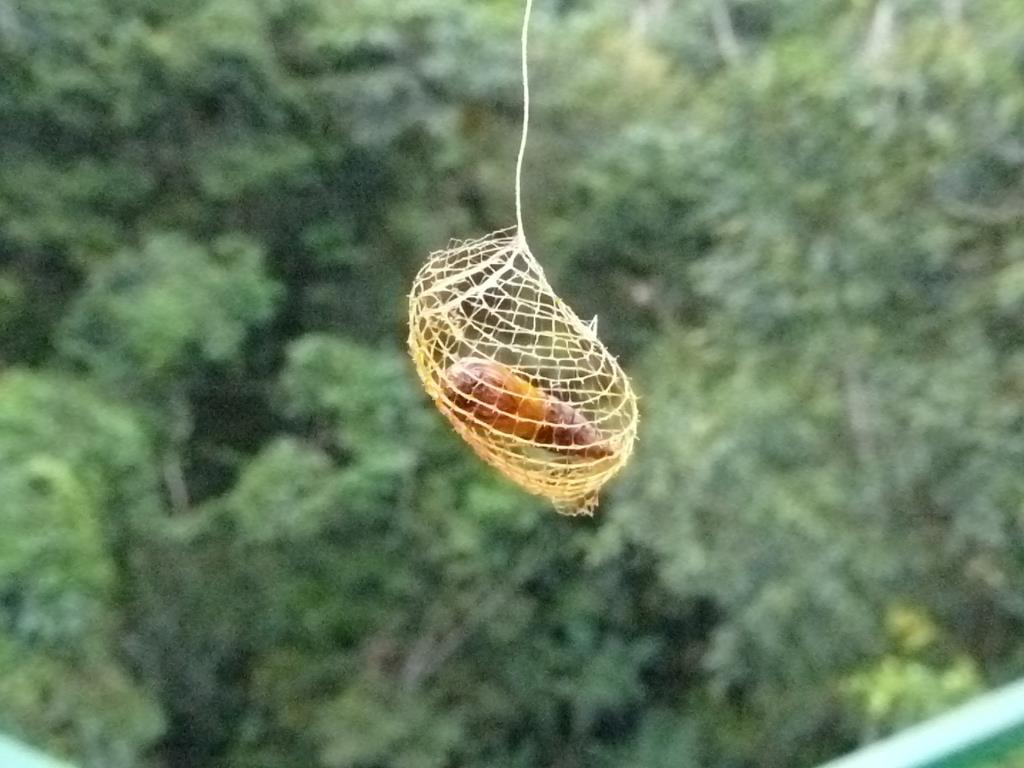
 Back in the canopy, a cocoon spun by a moth larva:
 Saki monkey (genus Pithecia), seldom seen here. Primatologists disagree about which species this is:
 Woolly monkeys:
 Crested owl:
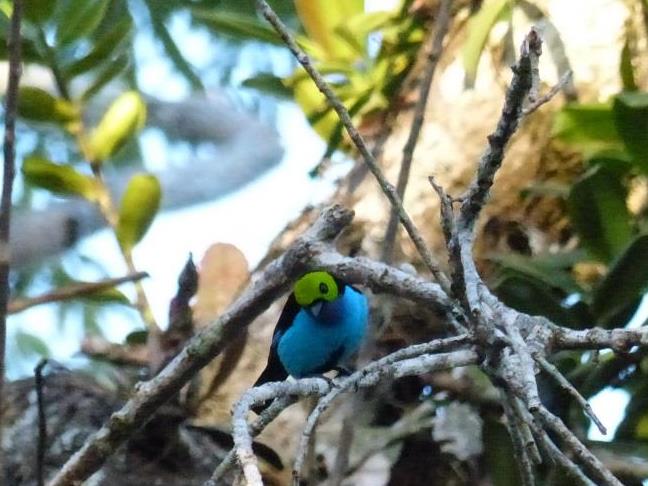
 Paradise tanager:
 Young caiman in the Tiputini River:

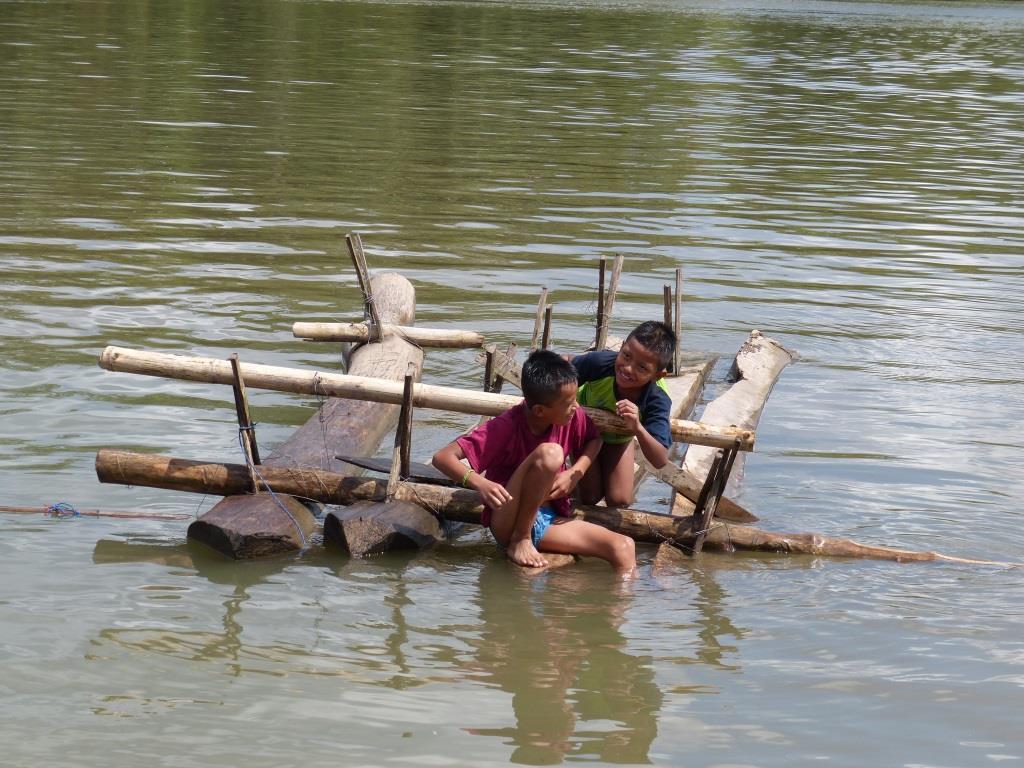
Huck Finn’s spirit is still alive on the Napo River:
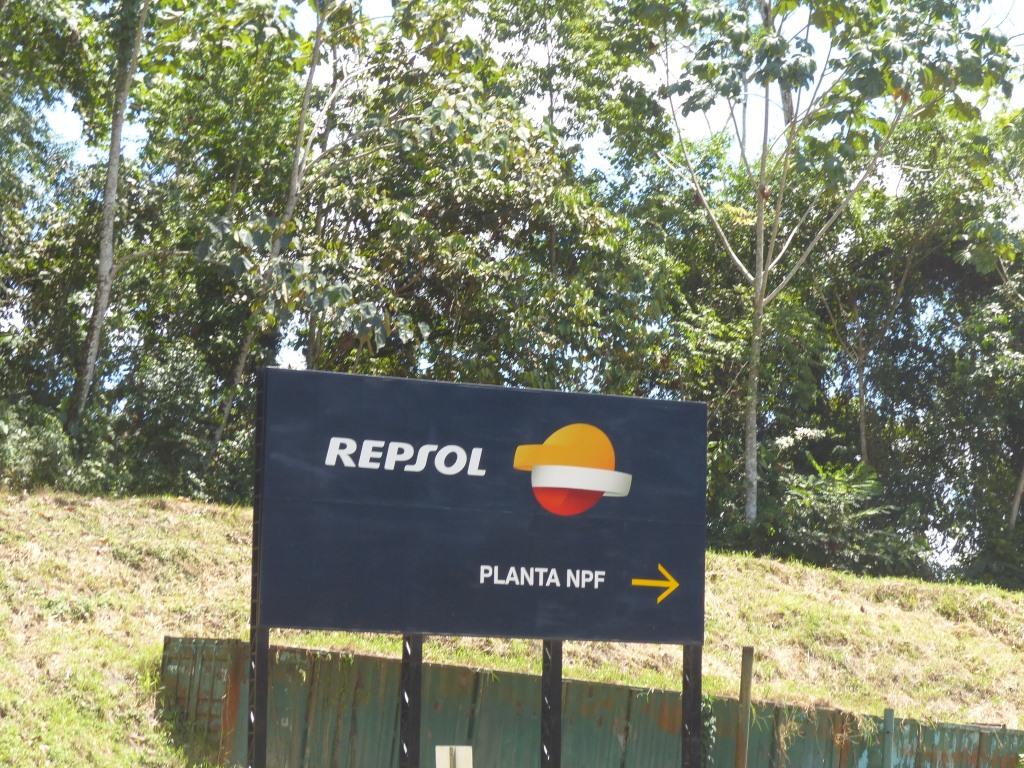
 Oil depots are expanding, as Ecuador moves ahead with opening Yasuní National Park and surrounding areas to road-building, seismic exploration, and drilling.
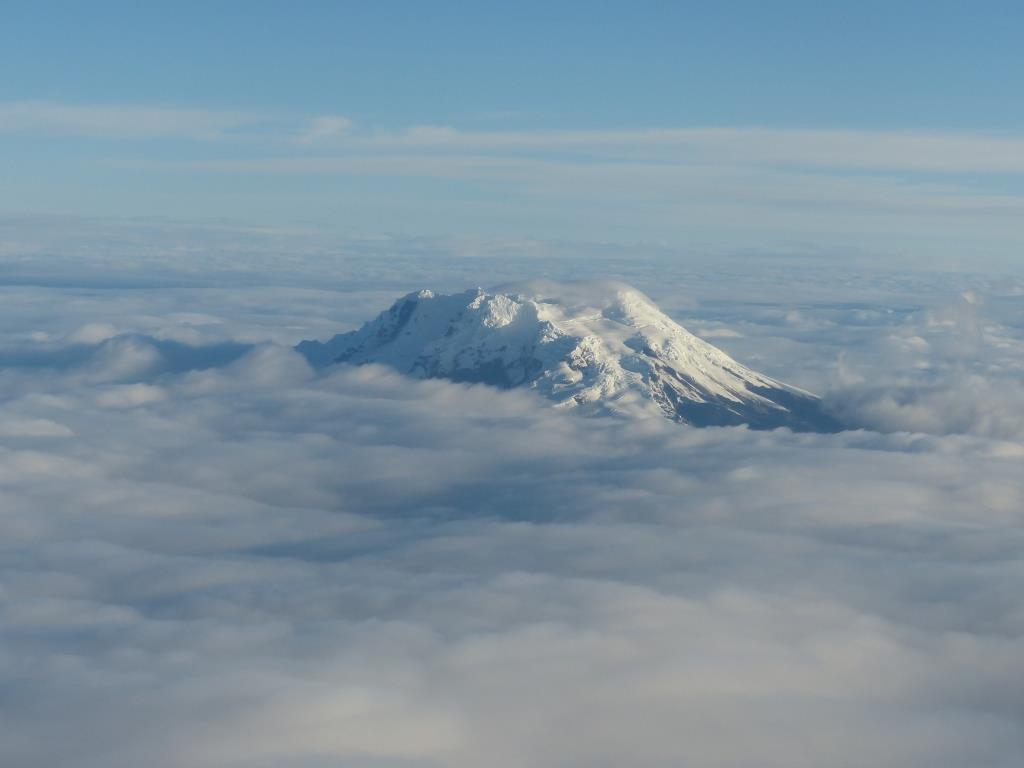
 Much of the oil will reportedly be used to pay down high interest loans from China (Ecuador has, in the past, suspended paying part of foreign commercial debt, so now enters into these other forms of borrowing). The oil also fuels human motion, making photos like this possible, the Andes on my return:
 My thanks to Universidad San Francisco de Quito and the Tiputini Biodiversity Station for their welcome. Especially Dr. Esteban Suárez, Pablo Negret, José Macanilla, Mayer Rodríguez, and the students from the Institute for the International Education of Students, led by Eduardo Ortiz, René Bueno, and Gladys Argoti in Quito and Lee L’Hote and Melissa Torres in the US. All the opinions expressed here are my own, not those of hosting institutions.
 David George Haskell