I’m delighted to share this guest blog post written by Saunders Drukker. Saunders is an Ecology and Biodiversity major at Sewanee (Class of 2017). He’s been studying salamanders and other herps for years. I hope you’ll enjoy his observations and photographs.
As the days here in Sewanee start winding down toward winter, many nature lovers’ subjects begin to disappear. Birds make their way south, mammals start looking for places to hide until spring, and trees go dormant, leaving many of us struggling to find things worth searching for. Thankfully, as everything else goes away, one group begins their most active period of the year: salamanders. Each year in winter salamanders become active by the thousands, moving about the forest floor searching for places to breed.
One of the main groups active at this time year is the Ambystomatids or Mole Salamanders. These stout little amphibians spend much of their year hiding underground, but when the weather cools down and the rains start up they begin to move toward their ephemeral breeding ponds. One of the most striking and most active at this time is the Marbled Salamander, Ambystoma opacum.

Marbled Salamander
These salamanders come out from their underground hideaways and move to the locations of ponds before these depressions fill with water. Here, the salamanders breed and lay eggs in the muddy bed of the pond, where they guard them until the rains come. Once the pond fills with water, the adults return to the forest. The eggs hatch, filling the pool with thousands of larval salamanders. By laying their eggs in the pond before all the other species arrive, the Marbled Salamanders give their young quite the advantage. By hatching earlier than all others, larval Marbled salamanders become large enough to prey upon the smaller larval Spotted Salamanders Ambystoma maculatum once they arrive in spring.

Three Ambystomatid Salamanders of Sewanee, Spotted, Marbled, and Mole Salamanders
It is not just the mole salamanders moving this time of year, though. The cool wet weather is ideal for almost all species found here on the plateau, especially the lungless species that require cool, wet conditions to be active. These salamanders, as their name implies, do not respire by use of lungs, instead they take oxygen from the environment around them, using their permeable skin to transfer oxygen and carbon dioxide. Some of the most easily found genera in Sewanee are Plethodon, Pseudotriton, Eurycea, Aneides, Hemidactylum, and Desmognathus.

Zig Zag Salamander (Plethodon dorsalis)

Two Lined Salamander (Eurycea cirrigera)

Northern Slimy Salamander (Plethodon glutinous)

Red Salamander (Pseudotriton ruber)

Green Salamander (Aneides aeneus)

Green Salamander (Aneides aeneus)

Four-Toed Salamander (Hemidactylum scutatum)

Cumberland Dusky Salamander (Desmognathus abditus)
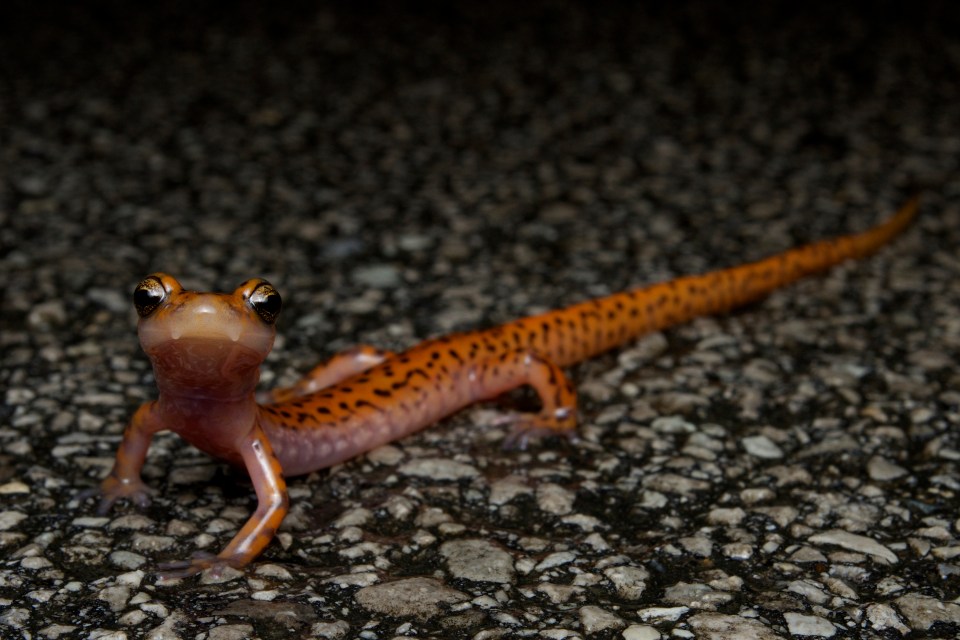
Cave Salamander (Eurycea lucifuga)
On any rainy cold night large numbers of these salamanders can be found moving across the forest floor, or even across roads, so keep an eye out when you’re driving on backroads. Sewanee boasts a huge diversity of salamanders, and winter is by far the best time to go out looking for them.
All text and photographs on this post, copyright Saunders Drukker, 2015.




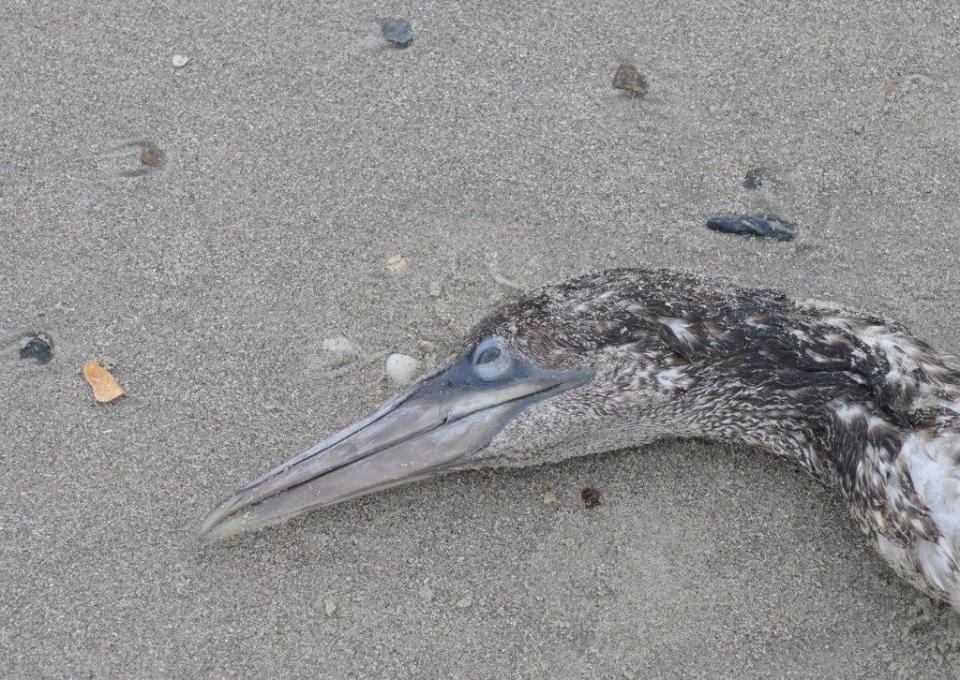
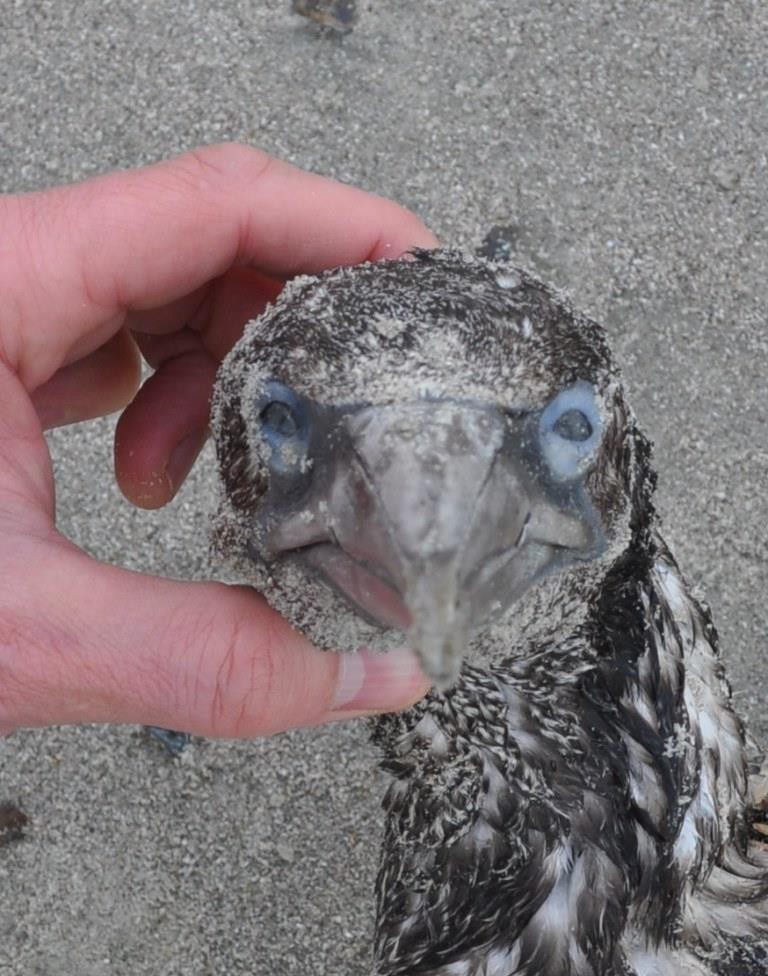


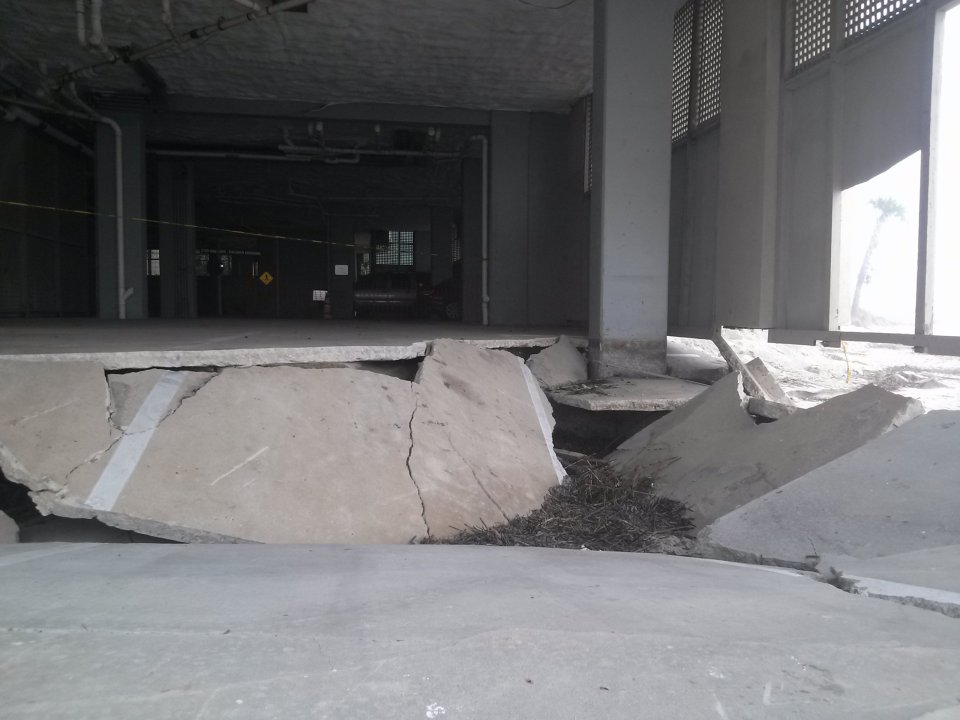


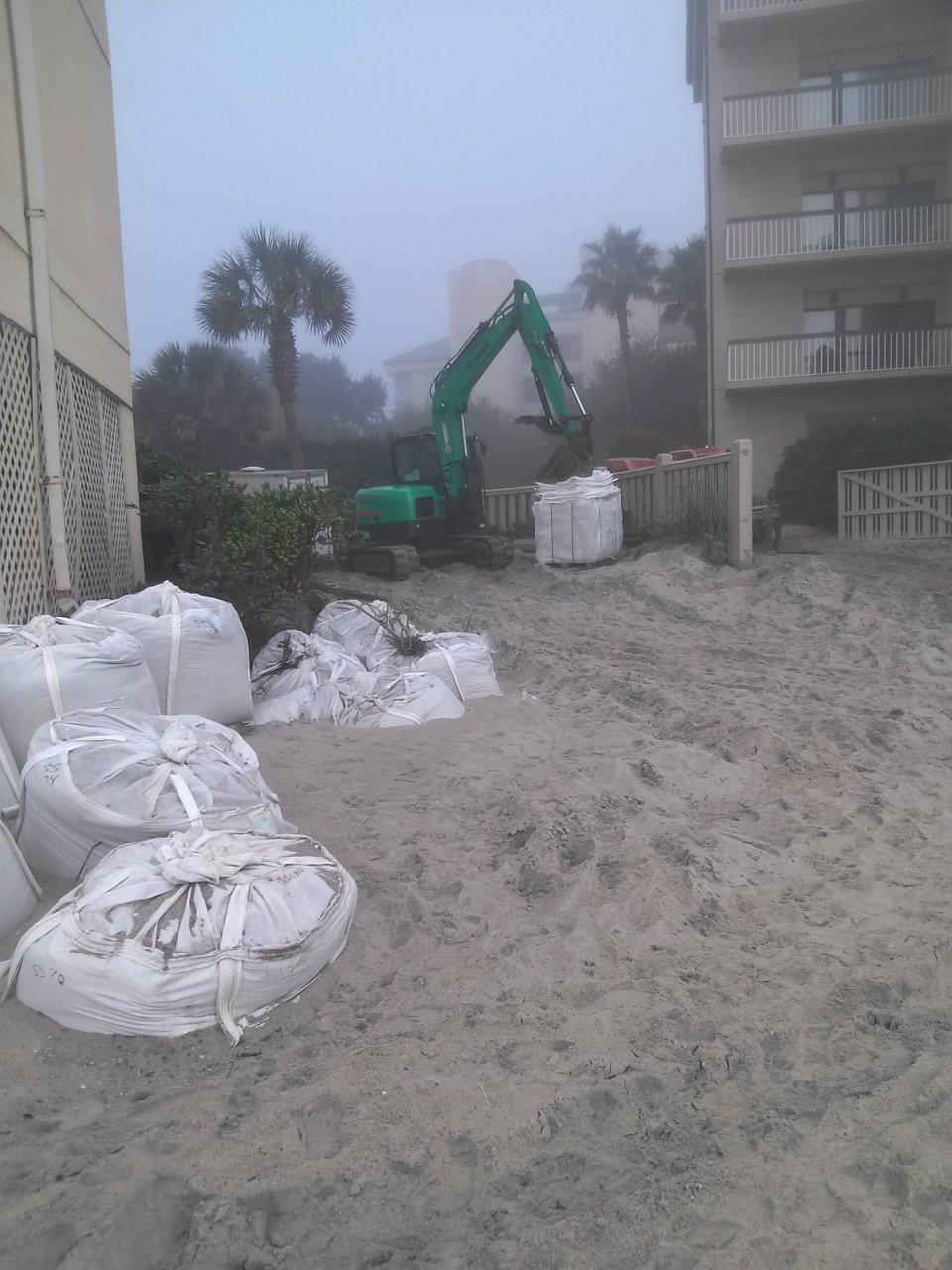 Just north of the foundering land-ship, the sea plays a few rounds on the golfing green and takes home some souvenirs:
 David George Haskell